••
Samuel Boateng of JoyGeekSquad Urges Ghanaians to Embrace Fibre Broadband as an Essential Household Utility
•2 min read•4 sources
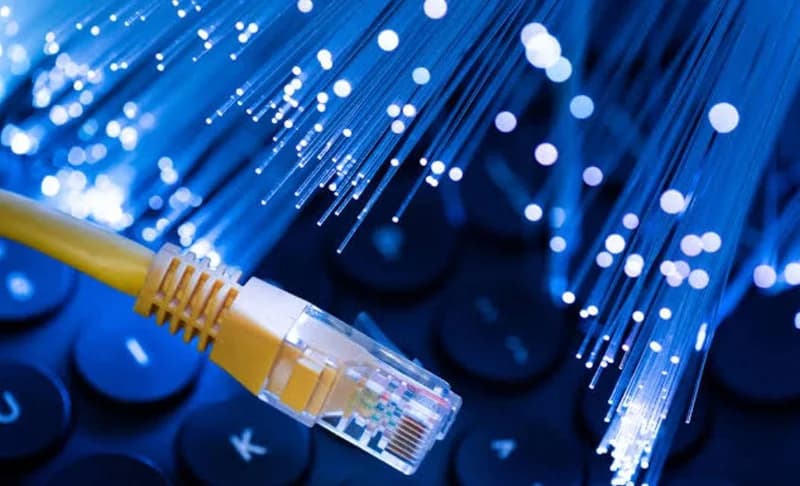
Fibre broadband technology is frequently misunderstood as a niche luxury reserved for the tech-savvy, yet it is increasingly becoming an essential pillar of modern Ghanaian life. According to insights from Samuel Boateng of JoyGeekSquad, the transition to fibre is less about technical complexity and more about rethinking the internet’s role in the home. Far from being a complicated upgrade, fibre represents a shift toward a more stable and efficient connection that mirrors the reliability of traditional utilities like water or electricity. By demystifying the technology, households can move beyond viewing high-speed internet as a luxury and instead see it as a fundamental tool for daily living.
The primary advantage of fibre broadband lies in its ability to handle high-bandwidth activities across multiple devices simultaneously. In a modern household where one person might be attending a remote learning session, another participating in a professional video call, and others streaming high-definition entertainment or following digital tutorials, traditional connections often falter. Fibre eliminates these bandwidth constraints, providing a consistent speed that ensures no user is interrupted by another’s activity. This stability is what transforms the internet from an intermittent tool into a dependable resource for both productivity and leisure.
Transitioning to this technology does not require the specialized technical knowledge that many users fear. The process involves simple adjustments to how a household manages its connectivity and a willingness to adopt newer infrastructure. By moving away from the mindset that high-speed internet is a limited or fragile resource, families can fully utilize the benefits of a "connected home." This shift empowers users to explore new digital horizons, from enhancing educational opportunities for children to improving the efficiency of remote work for adults, all without the frustration of lag or dropped signals.
Ultimately, the adoption of fibre broadband is a foundational step in improving the overall digital experience for the average user. As digital services continue to expand in Ghana, having a robust and stable connection becomes a prerequisite for participation in the modern economy. By treating fibre as a basic utility rather than a technical luxury, households can ensure they are well-equipped for the demands of today’s interconnected world, making the digital lifestyle accessible, reliable, and seamless for everyone.

