••
Samsung Electronics leads Africa’s smartphone market in first half of 2026
•2 min read•1 source
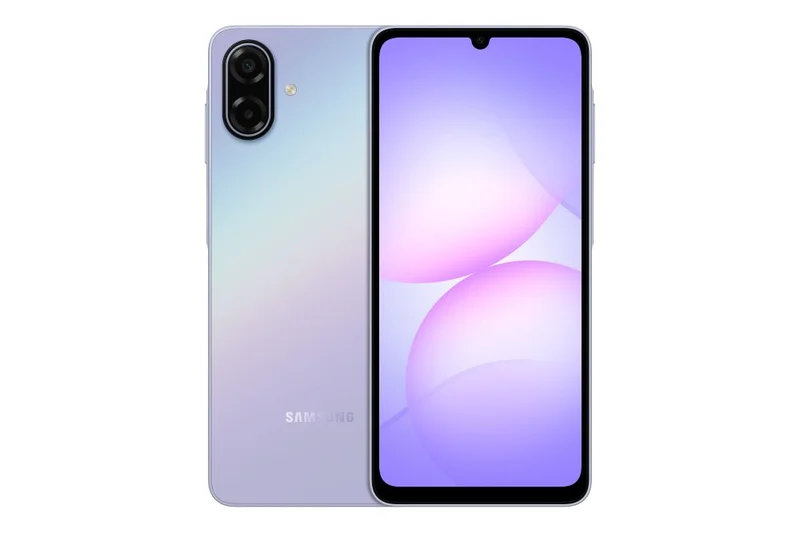
Samsung Electronics has emerged as the dominant player in the African smartphone market for the first half of 2026, topping both sales volume and revenue charts. Despite an overall market contraction of 16.6% year-on-year across the continent, Samsung bucked the trend by recording a significant 34.8% increase in unit sales. This performance underscores the company's resilient strategy in a challenging economic landscape, positioning it as the market leader for both the first and second quarters of the year. A critical driver of this success has been the introduction of flexible installment payment options tailored to local income structures. These plans, which allow customers to make daily or weekly payments, have significantly lowered the barrier to entry for premium devices. In 2026, nearly 46% of Samsung's total smartphone revenue in Africa has been generated through these credit-based purchases. By addressing the financial constraints of many African consumers, the company has effectively converted potential demand into actual sales, particularly for its high-value models. Beyond financing, Samsung is differentiating itself through long-term product reliability and an extensive regional support infrastructure. The company’s popular Galaxy A series now offers up to seven years of software updates and enhanced security features, a move aimed at providing value over mere price-point competition. This emphasis on longevity is backed by a robust local service network that includes 281 locations across 38 African countries, ensuring that customers have access to technical support and repairs long after the initial purchase. Looking ahead, Samsung projects it will secure a 34.5% share of total sales value and a 38.7% share of unit volume across the continent by the end of 2026. While competitors continue to focus on aggressive price wars, Samsung's pivot toward credit accessibility and after-sales service appears to be consolidating its market leadership. As the digital economy grows in Africa, the company’s ability to bridge the gap between high-end technology and consumer affordability remains a key component of its regional strategy.