••
Samira Bawumia seeks $4bn yearly for African clean cooking at COP31
•2 min read•1 source
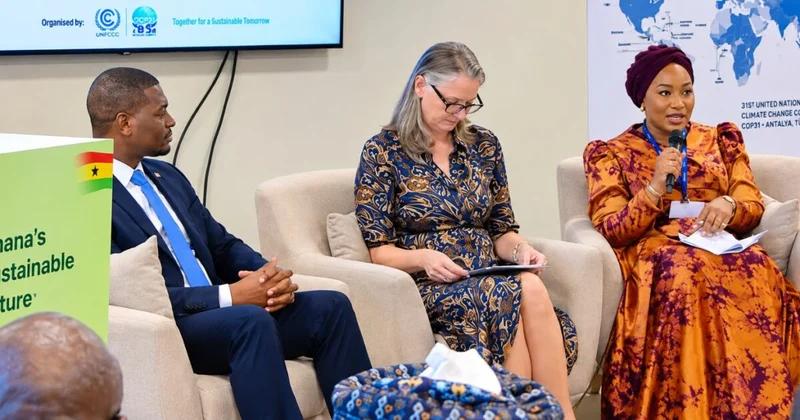
Former Second Lady Hajia Samira Bawumia has issued an urgent call for an annual investment of approximately $4 billion to ensure Africa achieves universal access to clean cooking by 2030. Speaking at the COP31 conference held in Antalya, Türkiye, she stressed that the transition to sustainable cooking solutions is no longer a luxury but a critical necessity for the continent’s developmental and environmental goals. Mrs. Bawumia’s advocacy highlights a major gap in the global energy transition, where millions of African households still depend on wood, charcoal, and other biomass for their daily energy needs.
Mrs. Bawumia highlighted the devastating impact of traditional cooking methods on public health and the environment. She pointed out that the continued reliance on inefficient fuels leads to significant health risks, particularly respiratory illnesses caused by indoor air pollution, which claims many lives prematurely. Furthermore, the practice accelerates deforestation across the continent, contributing to the broader challenges of climate change. By shifting to clean cooking technologies, she argued, African nations can mitigate these environmental threats while simultaneously improving the health outcomes of their populations.
A central theme of her address was the direct link between energy access and gender equality. Mrs. Bawumia noted that women and girls disproportionately bear the burden of collecting fuel and cooking in hazardous conditions, which limits their educational and economic opportunities. She emphasized that providing access to clean cooking would serve as a powerful tool for women's economic empowerment, freeing up time and resources that can be redirected toward productive activities and academic pursuits.
To achieve these ambitious targets, the former Second Lady called for a robust multi-stakeholder approach involving governments, private-sector investors, and international development partners. She urged these entities to prioritize clean cooking within Africa's broader development and energy transition agendas. Mrs. Bawumia’s intervention at COP31 underscores the growing international recognition that clean cooking is a fundamental pillar of sustainable development and climate resilience in Africa.
