••
Sir Sam Jonah proposes union government to end winner-takes-all politics
•2 min read•1 source
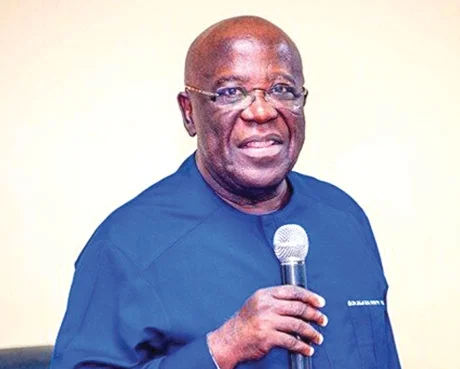
Sir Sam Jonah has called for a fundamental restructuring of Ghana’s governance system, proposing a government of national unity to replace the current "winner-takes-all" model. Speaking at the Kutu Acheampong Lectures, the prominent businessman argued that the country's post-1992 political landscape has become a detrimental zero-sum game that prioritizes party supremacy over national progress. He emphasized that the existing system fuels "four-yearly electoral wars" that hinder long-term development and state stability.
Jonah supported his call for reform by citing a 2024 Afrobarometer survey, which revealed a troubling trend in Ghanaian public opinion. While a majority of citizens still support democratic principles, satisfaction with how democracy is practiced in Ghana has significantly declined. The data suggests an increased willingness among some to consider non-democratic alternatives, a shift Jonah attributes to structural flaws in the constitutional order and widespread poverty that he believes compromises the autonomy of voters.
To address these challenges, Jonah outlined a six-pillar plan designed to ensure policy continuity across different administrations regardless of which party is in power. This modern proposal for a "Union Government" seeks to distinguish itself from the historical UNIGOV initiative of General Ignatius Kutu Acheampong in the 1970s, which Jonah clarified was often viewed as an attempt at military hegemony. In contrast, his vision focuses on maintaining constitutional legality and popular consent through a framework where multiple political parties participate in governance.
The proposal urges Ghana’s political class to prioritize collaboration and national viability over narrow partisan interests. By restructuring the constitutional order to mandate a more inclusive government, Jonah believes Ghana can overcome the deep political polarization that currently threatens its democratic foundations. He concluded by calling on leaders to focus on the long-term survival of the state, ensuring that national policy initiatives survive beyond the standard four-year electoral cycle.