••
Malian Music Legend Salif Keïta Cancels South Africa Tour Amid Growing Xenophobic Violence
•2 min read•2 sources
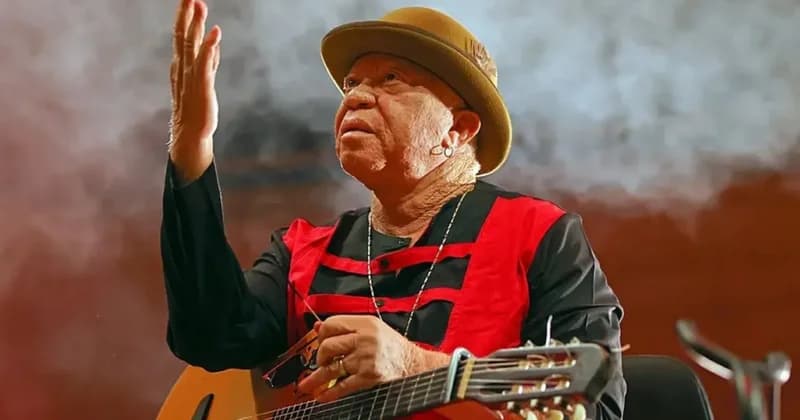
Renowned Malian musician Salif Keïta has officially cancelled his scheduled performances in South Africa, citing a surge in xenophobic violence against migrants. The 'Golden Voice of Africa' was a headline act for the upcoming Macufe festival in the Free State province, but his withdrawal serves as a high-profile cultural protest against the current social climate. The decision follows weeks of escalating tension and protests across South Africa, where demonstrators have called for the immediate expulsion of undocumented Africans, setting a hard deadline of 30 September for them to leave the country.
Keïta’s stance has been described by his team as a 'rejection of hate' rather than an attack on the South African people. The artist, known for his advocacy of African unity, emphasized that he could not perform in a climate where fellow migrants face intimidation and physical violence. The Free State culture department expressed significant disappointment over the cancellation, noting that the Macufe festival is traditionally a platform for fostering continental solidarity. However, the musician’s move reflects a growing trend of international figures distancing themselves from South Africa as reports of xenophobia continue to dominate regional headlines.
The impact of the current unrest is evident in the mass movement of people across the continent. Since May, more than 160,000 migrants have been repatriated or have returned home voluntarily to escape the hostile environment. This migration crisis has sparked various diplomatic reactions; notably, the Ghanaian government recently rejected a $1.7 million donation intended to assist its repatriated citizens. Ghanaian officials affirmed their responsibility for the reintegration of their people, signaling a preference for state-led solutions over external financial aid in addressing the fallout of the South African crisis.
As South Africa faces international scrutiny over its handling of immigration, the withdrawal of a pan-African icon like Salif Keïta underscores the potential for cultural and diplomatic isolation. The situation highlights the deepening divide between local economic frustrations and the broader goals of African integration. While the government continues to manage the immediate security concerns of the protests, the long-term impact on South Africa's reputation as a safe and welcoming hub for the African diaspora remains a critical concern for leaders across the continent.
