••
Salif Keïta Withdraws from South African Festival as Xenophobic Tensions Spark Mass Migrant Repatriations
•2 min read•2 sources
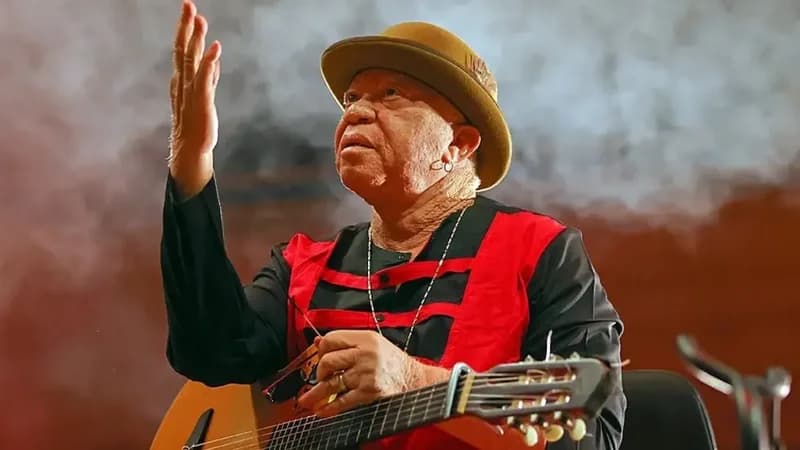
Renowned Malian musician Salif Keïta has cancelled his scheduled performance at South Africa’s Macufe festival, citing a surge in xenophobic violence against migrants. Keïta’s decision highlights the deteriorating safety conditions for foreign nationals in South Africa, where escalating protests and threats have prompted tens of thousands of people to flee. The festival organizers, who had intended the event to be a celebration of African unity, expressed deep regret over the cancellation, while Keïta maintained that his withdrawal is a principled stand against hate and a show of solidarity with those seeking dignity and safety.
The environment for migrants in South Africa has grown increasingly hostile, with organized protests demanding the expulsion of undocumented residents and setting informal deadlines for their departure. Reports indicate that over 160,000 people have left the country since May, often under difficult and coerced circumstances. Among those seeking voluntary repatriation are groups of Tanzanians and Ghanaians who feel they can no longer live safely within South African communities. Despite official government efforts to crack down on violence, the atmosphere of intimidation remains high, leading many to seek refuge back in their home countries.
In response to the crisis affecting its citizens, the Ghanaian government has taken a firm stance on managing the repatriation process. The government recently declined a financial donation from MTN Ghana intended to support these efforts, asserting its commitment to independently funding the reintegration of returning Ghanaians. This move reflects a broader national policy to handle migration challenges using internal resources rather than relying on corporate or external aid, ensuring that the process remains under sovereign control and provides a stable transition for those displaced by the unrest.
While migration tensions boil over in Southern Africa, Eswatini has become an unexpected destination for international deportees through a separate diplomatic arrangement. Under a $5 million agreement with the United States, the kingdom has accepted 32 migrants from Latin America since July, including two who arrived this week. While Eswatini officials characterize these individuals as temporary guests and emphasize the deal as a way to boost migration management infrastructure, the policy has drawn scrutiny from human rights observers concerned about the kingdom’s record and the welfare of migrants relocated so far from their home regions.
