••
Sadik Koli Abdul Rahim proposes five-point automotive sector strategy
•2 min read•1 source
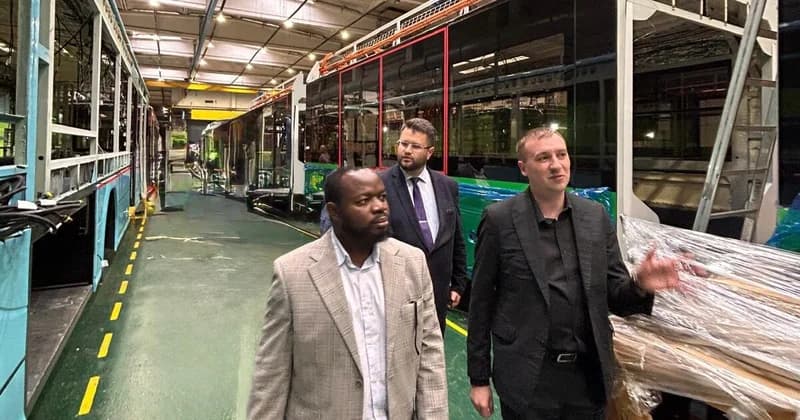
Engineer Sadik Koli Abdul Rahim has presented a comprehensive five-point strategy aimed at transforming Ghana’s automotive and transport sectors from an import-dependent model into a competitive regional industrial hub. The proposal emphasizes a fundamental shift toward local manufacturing and engineering, moving beyond the current focus on vehicle assembly to include home-grown design and production supported by strategic international partnerships. Under this vision, Ghana would evolve from a destination for foreign-assembled kits into a center for indigenous automotive innovation.
A key pillar of Abdul Rahim's recommendation involves strengthening national institutions, specifically enhancing the capabilities of the Ghana Automotive Development Centre. This includes the enforcement of stringent standards for vehicle imports to ensure safety and quality across the market. Additionally, the strategy calls for a robust quality assurance framework for the spare-parts industry, where safety-critical components are verified and local dealers are better connected with reputable global suppliers to ensure the longevity and safety of vehicles on Ghanaian roads.
To address urban challenges, the plan highlights the importance of data-driven mobility. By utilizing accurate travel data, Abdul Rahim argues that Ghana can more effectively manage traffic congestion and improve public transport planning. This technological approach is coupled with a call for prioritizing road infrastructure and safety as engineering necessities. The goal is to tackle rising road fatalities through improved roadway design, stricter enforcement of traffic laws, and more efficient emergency response systems to protect the motoring public.
The proposed transformation focuses on building local engineering capacity rather than relying solely on imported vehicles. By implementing these measures, Abdul Rahim envisions Ghana establishing itself as a leading transport and automotive hub within Africa. The strategy suggests that integrating these five areas—manufacturing, institutional strength, aftermarket quality, data mobility, and road safety—will drive significant job creation and long-term economic growth for the country as it looks toward an industrialized future.