••
UK High Commissioner Sabah Zita Benson Calls for Public-Private Synergy to Boost Ghana’s Creative Sector
•2 min read•1 source
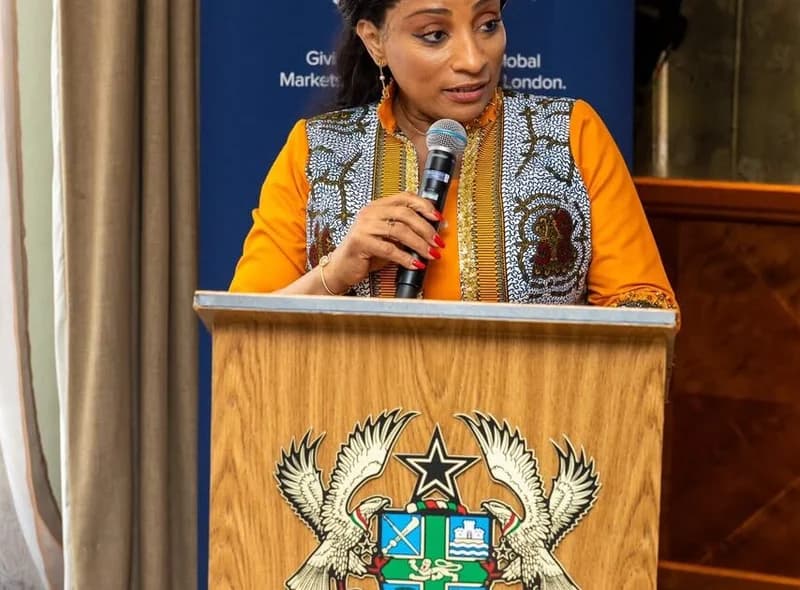
UK High Commissioner to Ghana, Sabah Zita Benson, has issued a clarion call for intensified collaboration between the government and the private sector to bolster Ghana’s burgeoning creative industry. Speaking during a recent music event in Manchester, UK, Benson underscored that while the Ghanaian government has demonstrated commitment through recent funding initiatives, the sustained growth of the music, arts, and tourism sectors requires substantial private capital and strategic partnerships. She emphasized that a collective approach is essential to move the industry from potential to a fully realized economic pillar. The High Commissioner highlighted the transformative potential of the music industry as a primary vehicle for telling Ghana’s story on the global stage. She emphasized that promoting Ghanaian music internationally does more than just foster cultural pride; it serves as a critical driver for the tourism industry. By enhancing the country’s cultural profile, the creative arts can attract international visitors and investment, creating a self-sustaining cycle of economic development. Benson argued that music is one of the most powerful tools available for national branding and international diplomacy. Central to Benson’s argument is the need for improved infrastructure to support local talent. She pointed to specific areas where private sector involvement could be game-changing, such as the construction of modern film studios and the provision of technical resources for creatives. According to the High Commissioner, these facilities are essential for professionalizing the industry and allowing Ghanaian artists to compete effectively in the international marketplace. Without this infrastructure, the growth of the creative economy remains limited by the lack of technical capacity. Ultimately, Benson envisions a creative economy powered by robust public-private partnerships. By pooling resources and expertise, she believes Ghana can build a resilient infrastructure that empowers its artists and secures its position as a leading cultural destination in Africa. As the global demand for African content continues to rise, the call for a collective investment strategy marks a pivotal step toward ensuring Ghana’s creative sector reaches its full economic and cultural potential.