••
Russian Drone Strike Devastates Pavlohrad Shopping Mall as Gen Z Reflects on 25th Anniversary of 9/11
•2 min read•4 sources
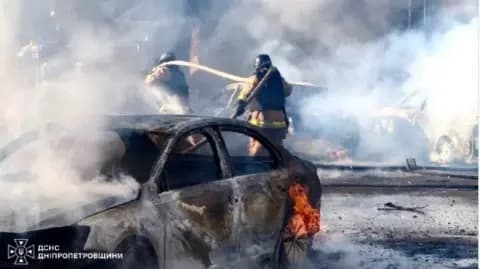
A Russian drone strike on a shopping mall in the central Ukrainian city of Pavlohrad has resulted in five fatalities and 67 injuries, including eight children. The attack occurred during peak shopping hours, leading to widespread destruction and prompting swift condemnation from Ukrainian leadership. President Volodymyr Zelensky and Interior Minister Ivan Vyhivskyi characterized the assault as a tactic of coercion intended to exhaust the nation's resolve, noting that such strikes on commercial centers have become a disturbing trend in cities like Zaporizhzhia and Sumy. While Ukraine reels from this latest tragedy, Russian officials also reported casualties from a Ukrainian drone attack in Sochi, highlighting the ongoing and protracted nature of the conflict which has now lasted over four years. Amidst these current hostilities, the world is also approaching a major historical milestone: the 25th anniversary of the September 11 terrorist attacks. This upcoming anniversary on September 11, 2026, has prompted deep reflection among Generation Z, a demographic born between 1997 and 2012 that has no personal memory of the day that reshaped global security. Young adults such as Avery Black and Annie Erickson have shared how they first encountered the harrowing history of 9/11 through emotional family stories and school lessons. Despite the significance of the event, educational standards remain inconsistent across the United States, with only 25 states requiring a dedicated curriculum on the attacks. Professor David Schanzer and other educators emphasize that understanding the implications of 9/11 is crucial for today's youth to grasp contemporary global issues. Many in this generation rely on personal research or even humor as a coping mechanism to process the scale of the tragedy. These parallel narratives of modern strikes in Ukraine and the historical memory of 9/11 illustrate the enduring impact of violence on civilian life and the diverse ways different generations process collective trauma.