••
Russia-Ukraine negotiations in Abu Dhabi conclude without breakthrough
•2 min read•1 source
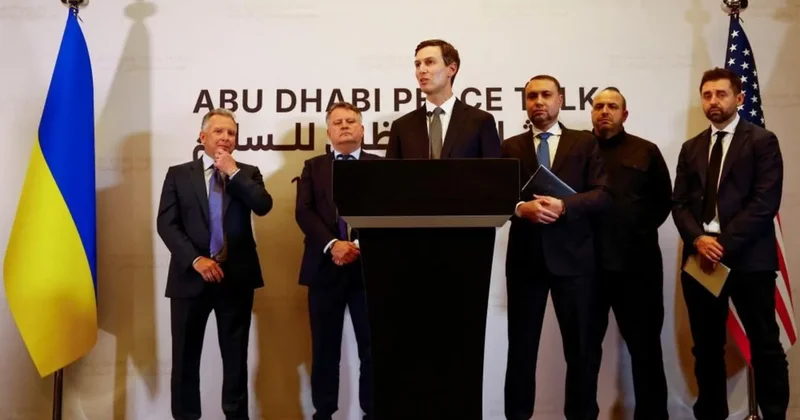
The second day of trilateral negotiations in Abu Dhabi involving the United States, Russia, and Ukraine has concluded without a significant breakthrough to end the nearly five-year conflict. While American negotiators noted some positive signs during the discussions, the sessions highlighted deep-seated divisions regarding Europe’s future security architecture and the sequencing of a potential ceasefire. Ukrainian negotiator Davyd Arakhamia described the talks as "challenging," pointing to strict directives from Moscow as a primary obstacle to progress, though he maintained that the process still holds "good momentum."
A central point of contention remains the differing visions for regional security. Ukraine is seeking firm security guarantees from its international allies to prevent future aggression, whereas Russian representatives focused on demands to limit NATO’s influence and presence in Eastern Europe. Further complicating the dialogue is a fundamental disagreement over the timing of a ceasefire; the parties remain split on whether a cessation of hostilities must precede any formal agreement on a new security framework. U.S. negotiator Jared Kushner observed that a total absence of trust between the conflicting parties continues to be a major hurdle in reaching a sustainable peace.
Despite the lack of a definitive peace deal, some progress was reported regarding humanitarian issues. Negotiators indicated that a large-scale prisoner of war exchange appears imminent, which could serve as a confidence-building measure. European representatives were present during the Abu Dhabi sessions, although Moscow reportedly remained dismissive of their direct involvement in the core negotiations. The ongoing military conflict in the Donetsk region remains a volatile backdrop to these diplomatic efforts, with both sides maintaining competing territorial claims that have yet to be reconciled.
Following the conclusion of the talks in the United Arab Emirates, the diplomatic mission will continue with high-level visits to Europe. United States negotiators are scheduled to travel to Moscow for a meeting with Russian President Vladimir Putin before proceeding to Dublin to consult with Ukrainian President Volodymyr Zelensky. These follow-up discussions are intended to build on the momentum from Abu Dhabi and address the specific security concerns raised by both heads of state as the international community seeks an end to the invasion that began in early 2022.