••
Ambassador Roelf Meyer Refutes Donald Trump’s Claims of ‘White Genocide’ in South Africa
•2 min read•1 source
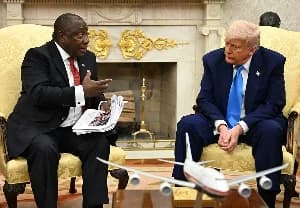
South Africa’s newly appointed ambassador to the United States, Roelf Meyer, has publicly dismissed claims made by U.S. President Donald Trump regarding a supposed "white genocide" in South Africa. Speaking in a recent interview with the BBC, Meyer, a prominent Afrikaner himself, challenged the narrative that white citizens or farmers are being systematically targeted for extermination. This diplomatic friction comes as Meyer prepares to represent Pretoria's interests in Washington D.C., where rhetoric regarding South African land reform and racial dynamics has previously sparked international debate and concern. Meyer’s rebuttal carries significant weight due to his own cultural and political background. As a "born Afrikaner," he expressed genuine disbelief and surprise upon hearing the assertions made by the American president. The ambassador recounted his immediate reaction, questioning the factual basis of such claims and wondering specifically which community or events the U.S. President was referencing. By positioning his own lived experience against the political rhetoric coming from the White House, Meyer aims to dismantle what the South African government views as a distorted portrayal of the country’s internal security and social cohesion. The controversy centers on long-standing claims of a coordinated campaign against white South Africans, particularly in rural farming communities. While South Africa faces high levels of violent crime that affect all racial groups, international fact-checking organizations and the South African government have consistently maintained that these incidents do not constitute a genocide. Ambassador Meyer’s comments reflect a proactive stance by the South African diplomatic mission to counter misinformation that could potentially damage bilateral relations or affect foreign investment and international perceptions of the country's stability. As Meyer takes up his post in Washington, his primary challenge will be navigating a complex relationship with the Trump administration. His direct contradiction of the President's public statements signals that South Africa intends to assert its own narrative on the global stage. This development underscores the ongoing tension between populist rhetoric and the diplomatic realities of African nations striving to manage complex historical legacies. The outcome of these diplomatic engagements will be crucial in shaping U.S.-South Africa relations during this new political era.