••
Rita Naa Odoley Sowah calls for handwashing to be a national priority
•2 min read•3 sources
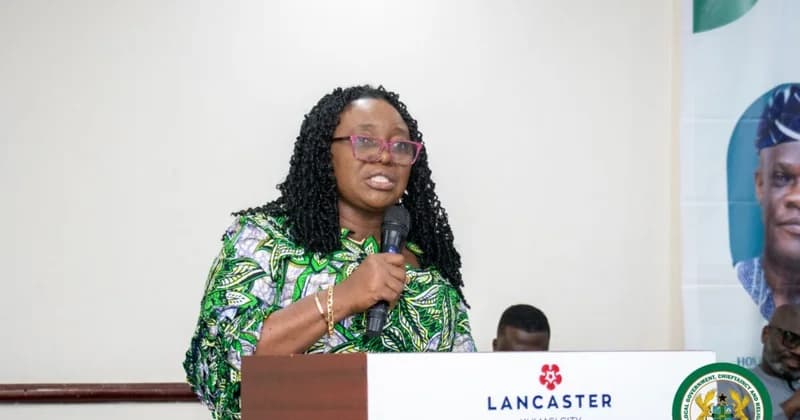
The Deputy Minister for Local Government, Dr. Rita Naa Odoley Sowah, has called on Ghanaians to revive handwashing habits established during the COVID-19 pandemic to ensure long-term public health. Speaking at the launch of the 2026 Global Handwashing Day, themed "I am a handwashing hero," she emphasized that hand hygiene must be integrated into public facilities and national development priorities. The annual event, celebrated on October 15, seeks to highlight the life-saving importance of handwashing with soap and the prevention of avoidable diseases.
Stakeholders at the national event, including representatives from the World Health Organization (WHO) and UNICEF, urged the government to provide sustainable funding and infrastructure for hygiene. Dr. Beata Awinpoka Akanyani of the Coalition of NGOs in Water and Sanitation (CONIWAS) noted that prioritizing handwashing could significantly reduce the spread of germs and improve the health of the national workforce. The speakers collectively called on Metropolitan, Municipal, and District Assemblies (MMDAs) to incorporate functional handwashing facilities into their development plans and ensure regular maintenance in public spaces.
In a practical demonstration of these goals, the Environmental Health Department of the Tema Metropolitan Assembly (TMA) conducted outreach at local schools. The TMA donated handwashing basins, soap, and towels to two schools in Tema to promote better sanitation practices. Mrs. Bridget Seyram Diapim-Fenuku, a lead official at the TMA, emphasized the health benefits of hygiene, while staff demonstrated effective handwashing techniques to students. The initiative encouraged young people to take ownership of these facilities and act as hygiene ambassadors within their communities.
The call for improved hygiene comes as part of a broader push for enhanced coordination among various sectors to prevent the outbreak of diseases. By involving traditional leaders and ensuring that handwashing remains visible and funded, officials hope to sustain the behavioral changes seen in recent years. This unified approach aims to make handwashing a permanent fixture of Ghanaian public life, moving beyond temporary emergency responses to a consistent national standard of hygiene.