••
George Ricketts-Hagan outlines requirements for 24-hour economy success
•2 min read•2 sources
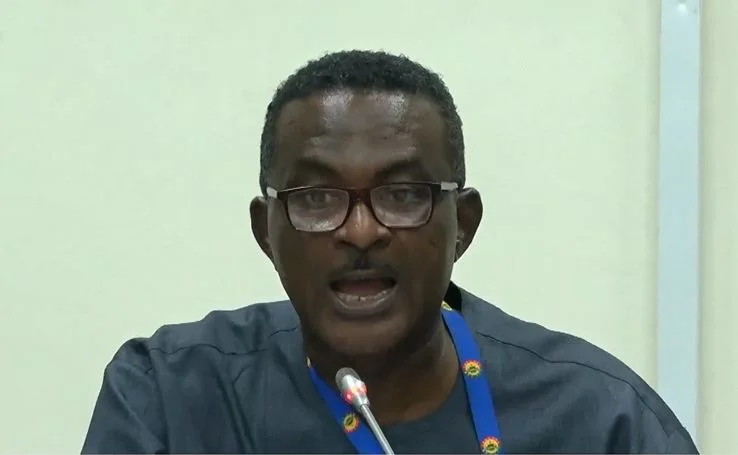
George Kweku Ricketts-Hagan, the Member of Parliament for Cape Coast South and a member of the parliamentary Finance Committee, has emphasized the necessity of robust implementation for the government’s 24-hour economy policy. Speaking on the sidelines of the IMF and World Bank meetings, Ricketts-Hagan stated that the initiative, which was officially launched in July 2025, serves as a cornerstone for boosting national productivity and industrialization. He underscored that the primary goal of the policy is to stimulate intensive economic activity that translates into sustainable livelihoods for the Ghanaian youth.
According to the lawmaker, the transition to a 24-hour economic cycle requires more than just a change in operating hours; it demands a supportive infrastructure. Ricketts-Hagan highlighted that reliable electricity and targeted business incentives are critical prerequisites for the policy’s success. He argued that without a stable power supply and reduced operational costs for participating companies, the goal of creating a multi-shift system would remain elusive. Furthermore, he noted that expanding market access is vital to ensure that the increased production from extended shifts has a ready destination.
Looking ahead, Ricketts-Hagan described the 24-hour economy as a long-term strategic intervention whose foundations are currently being laid. He expressed optimism about the broader economic landscape, pointing to the upcoming US$10 billion "New Economy" policy slated for 2027. This future initiative is expected to complement the current 24-hour cycle by focusing on targeted growth areas to secure Ghana’s industrial future. He urged all stakeholders to remain committed to the execution phase to realize the policy’s full potential for job creation and economic transformation.