••
Rev. Wengam Leads Assemblies of God Transformation as Regional Church Allegations Spark Concern
•3 min read•3 sources
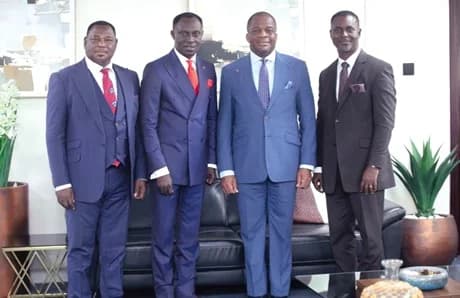
The religious landscape in West and Central Africa is navigating a period of significant transition and scrutiny, marked by the formalization of leadership in established denominations alongside disturbing criminal investigations. In Ghana, the Assemblies of God has successfully inaugurated a new executive team to spearhead its "Transformation Agenda," while authorities in Cameroon are pursuing a Nigerian cleric following the discovery of a mummified body on church grounds. Simultaneously, the family of a late Ghanaian prophet is fighting to protect his legacy against allegations of occultism, highlighting the ongoing tension between religious faith and public accountability in the region.
The Assemblies of God, Ghana, recently solidified its governance structure with the inauguration of its General Council officials following an intensive leadership prayer and orientation retreat in Accra. Rev. Stephen Yenusom Wengam, who was re-elected as General Superintendent, emphasized a vision centered on national discipleship and the enhancement of pastoral welfare. The new leadership team, which includes Assistant General Superintendent Rev. Kwadwo Boateng Bempah and General Secretary Rev. Albert Anane, is tasked with implementing a modernizing agenda designed to deepen the church's spiritual and social impact across the country.
In stark contrast to these institutional advancements, Cameroonian authorities are conducting a manhunt for Kedi Samuel Kenechukwu, also known as Ekedi Samuel, the founder of Mercy of God Ministry. The investigation began after a mummified body, dressed in traditional attire and encased in a white-and-gold coffin, was found buried 1.5 meters beneath a concrete slab at his church property in Yaoundé. Kenechukwu faces grave allegations including human trafficking, kidnapping, and unlawful arrest. Police officials discovered the site following reports of vandalism and have expressed concerns that further remains may be hidden on the property.
Further highlighting the controversies surrounding charismatic leaders, the family of the late Prophet Elisha Osei Kofi has publicly refuted claims that the cleric was involved in occult practices. During a press conference in late September 2026, representatives of the Grace Family Church International founder defended his reputation, asserting that he had no affiliations with secret societies. The family’s defense serves as a response to persistent social media rumors that emerged following the prophet's death, emphasizing their commitment to preserving his legacy as a legitimate man of God.
These developments underscore the dual nature of religious influence in Africa, where established churches strive for administrative excellence while individual-led ministries often face intense public and legal scrutiny. As the Assemblies of God begins its new chapter of leadership focusing on pastoral welfare and growth, the ongoing criminal proceedings in Cameroon and the reputational battles in Ghana reflect a broader demand for transparency. The outcomes of these investigations and transitions will likely shape public perception of religious authority and the regulatory environment for churches in the coming years.
Live rates
Ghana gold price →