••
Rent Control Department directs hostel operators to refund excess rent
•2 min read•1 source
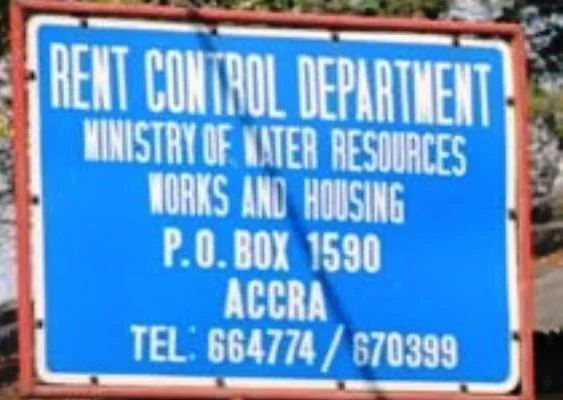
The Rent Control Department has issued a formal directive requiring all hostel operators across the country to refund excess rent payments to students by a deadline of November 17. This intervention follows growing concerns over the rising cost of student accommodation and is intended to ease the financial burden on students in tertiary institutions. Government officials have framed the move as a necessary measure to ensure affordability and protect students from exploitative pricing practices that exceed the legally permissible limits set for residential and specialized accommodations.
This administrative action has triggered a significant debate between student advocacy groups and private hostel owners regarding the financial health of the sector. While the government maintains that the refunds are essential to maintain educational access, critics and operators argue that the move could threaten the long-term viability of private student housing. Many operators have pointed to the high costs of maintenance, utility tariffs, and taxation as reasons for their current pricing structures, warning that forced refunds might lead to a decline in the quality of services or even the closure of some facilities.
As the November 17 deadline approaches, the Rent Control Department is expected to monitor compliance closely to ensure that students receive their due payments. The situation underscores the ongoing challenge of balancing the protection of consumer rights with the operational realities faced by private business owners in the housing market. Stakeholders are calling for a more sustainable long-term solution, including potential dialogue between the government and the Private Hostel Association to address the underlying shortage of affordable student accommodation without compromising the survival of private providers.
