••
Rajendra Dawadi Saves 900 Students in Nepal as Fatalities Rise in Zimbabwe Road Crash and Cyprus Maritime Disaster
•2 min read•4 sources
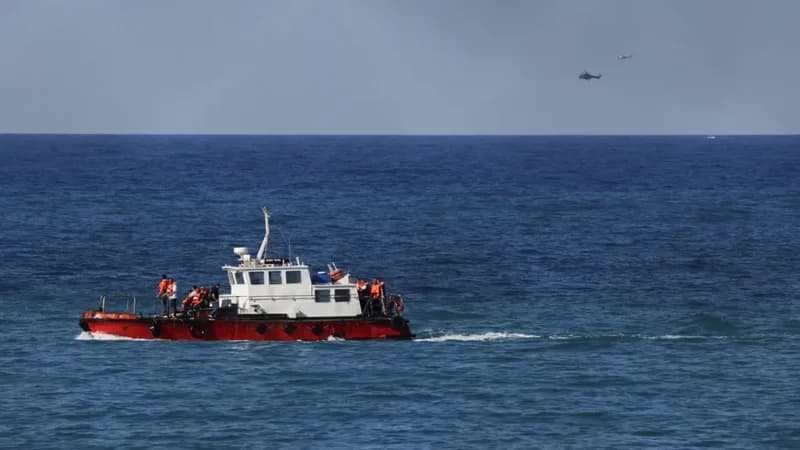
The international community is currently responding to a series of major emergencies, ranging from catastrophic flooding in Nepal to fatal accidents in Zimbabwe and the Mediterranean. In a remarkable act of heroism in Nepal, Rajendra Dawadi, the headteacher of Tribhuvan Trishuli Secondary School in Nuwakot, successfully evacuated 900 students just ten minutes before severe floods struck the facility. While this swift action saved hundreds of young lives, the broader impact of the flooding across the region has been catastrophic, with officials reporting at least 794 deaths and over 2,426 people missing. Dawadi’s timely intervention followed multiple warnings received at 9:10 AM local time, leading him to redirect school buses and move students to higher ground, a move that highlighted the critical necessity for improved early warning systems. In Zimbabwe, a tragic road accident near Chivhu has claimed 27 lives, involving a commuter omnibus filled with church congregants. According to police spokesperson Paul Nyathi, the incident occurred approximately 132 kilometers from Harare along the Masvingo Road when a foreign-registered haulage truck attempted to overtake another vehicle, resulting in a collision with the omnibus. The tragedy has devastated the local community, as the victims were traveling together for a religious gathering. Authorities are continuing to investigate the circumstances surrounding the fatal maneuver. Simultaneously, a major search and rescue operation is underway off the coast of northern Cyprus following the capsizing of a passenger ferry. The vessel, which was carrying approximately 259 passengers and crew from Kyrenia toward Turkey, began taking on water amidst poor weather conditions. While local officials and the coastguard have rescued several individuals, at least eight people have been confirmed dead, and many others remain missing. The captain and crew have been detained as part of an investigation into the disaster, while Turkey's administration has expressed deep condolences and mobilized resources to assist in the ongoing recovery efforts. These disparate events underscore a global need for heightened safety protocols and robust emergency response infrastructure. From the necessity of improved weather-warning technology in South Asia to the enforcement of stricter maritime and road safety regulations in Europe and Africa, these tragedies illustrate the thin line between survival and catastrophe. As rescue teams continue their work in Cyprus and recovery efforts persist in Nepal and Zimbabwe, the focus of the international community shifts toward long-term prevention and the implementation of safety standards to prevent such significant future loss of life.

