••
Carlos Queiroz Resigns as Black Stars Coach Amidst GFA Leadership Crisis and Government Demands for Reform
•3 min read•18 sources
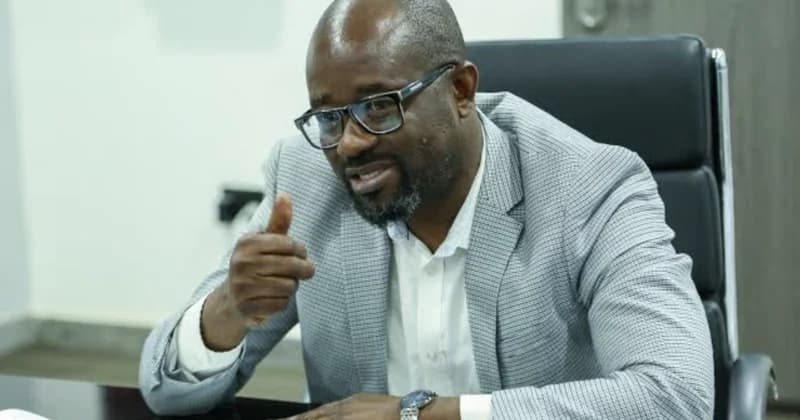
Ghana’s national football team, the Black Stars, has been plunged into a leadership crisis following the resignation of head coach Carlos Queiroz. Queiroz’s departure comes just four months into his tenure after a disastrous start to the 2027 Africa Cup of Nations (AFCON) qualifying campaign, which has left Ghana at the bottom of its group following consecutive losses to Côte d’Ivoire and The Gambia. While the Ghana Football Association (GFA) described the exit as a mutual termination, reports indicate that Queiroz submitted his resignation letter ahead of a scheduled debriefing session, citing deep-seated frustrations with the management and logistical support of the national team.
Details have emerged suggesting that Queiroz’s decision was influenced by several systemic issues, including alleged interference in player selection, poor training conditions, and logistical challenges regarding accommodation and travel. The veteran coach, who has since been invited by CAF to speak at a strategy conference in Cape Verde, reportedly felt that the environment was no longer conducive to professional success. In response to the vacuum, the Ministry of Sports and Recreation, led by Minister Kofi Adams, has summoned the GFA leadership to demand accountability. Despite intensifying public calls for the dissolution of the GFA, Minister Adams clarified that the government lacks the legal authority to disband the association, as it is a registered entity governed by its own statutes requiring a three-quarters majority vote from its members for dissolution.
The crisis has intensified scrutiny of GFA President Kurt E.S. Okraku, with rumors circulating about his potential resignation. Critics, including the Sports Writers Association of Ghana (SWAG), have pointed to a pattern of decline under Okraku’s leadership, noting that the national teams have recently failed to qualify for the 2025 AFCON, the Olympic Games, and the African Nations Championship (CHAN). This backdrop of underperformance has led to demands from journalists and football administrators for a complete restructuring of Ghanaian football, moving away from perceived political management toward more modern, merit-based, and scientific methods of sports administration.
To address the immediate coaching vacuum, a five-member Technical Search Committee has been established to recommend a new head coach by October 9, 2026. The new appointment criteria specify that the coach must reside in Ghana and take an active role in overseeing the domestic league and youth development. Beyond the senior team, the GFA is being pressured to implement seven specific reforms, including a more coordinated pathway from grassroots to national levels and the establishment of a Public Interest Committee to oversee these changes. As Ghana attempts to salvage its 2027 qualifying campaign, these reforms represent a critical effort to restore public confidence and reverse the declining fortunes of the nation's most popular sport.


