••
Queen Maxima promotes financial health during four-day visit to Ghana
•2 min read•3 sources
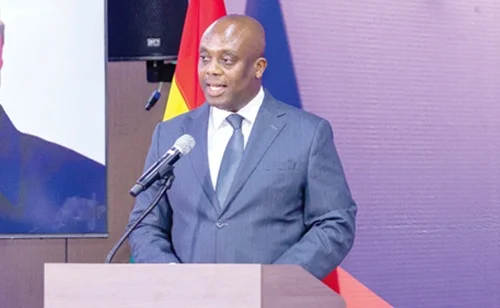
Her Majesty Queen Máxima of the Netherlands, in her role as the United Nations Secretary-General’s Special Advocate for Financial Health, concluded a four-day visit to Ghana focused on bridging the gap between financial access and actual economic wellbeing. During her visit, which spanned from November 2 to 5, 2026, the Queen highlighted a significant disparity in the country’s financial landscape: while approximately 80% of Ghanaian adults now own financial accounts, only 22% are considered "financially healthy." This distinction underscores a shift in national policy from merely expanding account ownership to ensuring that financial tools lead to genuine resilience and security.
In Labadi and other parts of Accra, Queen Máxima engaged directly with small-scale entrepreneurs, market women, and workers at a fruit processing factory. These interactions brought to light the daily challenges faced by local businesses, including difficulties in maintaining consistent savings and a lack of adequate health insurance. The Queen emphasized the necessity of sustainable financial solutions and the transformative role of technology in helping these entrepreneurs manage their finances. She noted that while digital tools have increased access, the next step involves empowering users to utilize these services to weather economic shocks and plan for the future.
The visit also focused on the intersection of finance and agriculture, with Queen Máxima visiting agribusinesses partnered with IDH Ghana. By interacting with companies such as FarmMate and AgroCenta, she observed how small and medium-sized enterprises (SMEs) are enabling smallholder farmers to aggregate, process, and sell their produce more effectively. These partnerships are seen as vital for enhancing agricultural productivity and market access, ultimately improving the financial health of rural communities. The initiative aligns with Ghana’s broader push for domestic food security and the creation of robust agricultural value chains that provide decent jobs.
To address these challenges at a systemic level, the Queen joined Deputy Minister of Finance Thomas Nyarko Ampem for the inauguration of a working committee for the National Financial Inclusion and Development Strategy (NFIDS). The committee is tasked with developing a framework, expected to launch in 2027, that prioritizes consumer protection, financial literacy, and meaningful usage of financial tools. Deputy Minister Ampem reiterated that effective financial management is the cornerstone of economic security, stating that the government is committed to evolving its strategy to move beyond simple inclusion toward long-term financial resilience for all citizens.