••
Queen Máxima discusses financial health with informal workers in Accra
•2 min read•2 sources
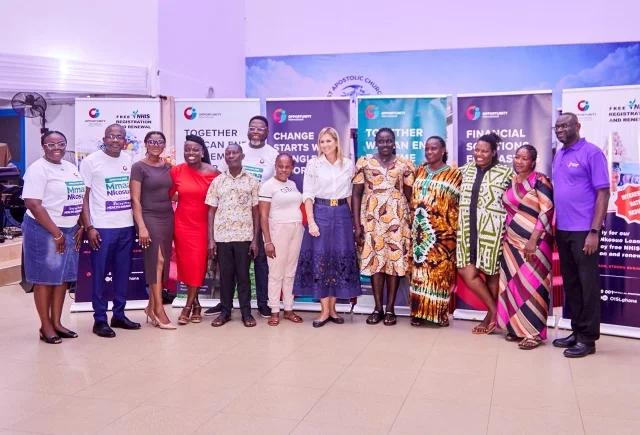
Her Majesty Queen Máxima of the Netherlands, visiting Ghana in her capacity as a United Nations Special Advocate, met with microentrepreneurs and financial stakeholders in Accra on November 3, 2025. The discussions, which included a high-level roundtable hosted by the World Bank Group, focused on moving beyond basic financial access to achieving long-term financial health and security for workers in the informal sector. The visit highlighted the transition from mere account ownership to the active use of financial tools that build household resilience.
During her engagement with local business owners, the Queen heard firsthand accounts of the practical challenges involved in financial management. Facilitated by OISL, the meeting featured entrepreneurs like Patience Mensah, a shop owner and mother of three, who shared how access to credit supported her business growth while noting the ongoing difficulty of maintaining financial stability. Queen Máxima emphasized that true financial health requires a comprehensive approach, including reliable access to savings and insurance to protect families from unexpected economic shocks.
At the "From Savings to Prosperity" roundtable, the Queen joined World Bank representatives to address structural gaps in Ghana's financial landscape. While the country has made significant strides in inclusion—with 81% of adults now holding financial accounts—data indicates a critical lack of depth in this participation. Currently, only 30% of Ghanaian adults are able to cover more than two months of living expenses if they lose their primary income, illustrating a widespread vulnerability in retirement preparedness and emergency savings.
The discussions concluded with a call for financial products specifically tailored to the fluctuating income patterns of informal-sector workers. Proposed strategies include the expansion of flexible micro-pension models and improved access to capital markets for small-scale entrepreneurs. Queen Máxima highlighted the necessity of integrating these services to create a robust safety net, aiming to strengthen Ghana’s national financial inclusion strategy and establish a more stable institutional investor base for the future.