••
Prusu Community Decries Health and Education Crisis Amid Severe Water Scarcity in Bono East
•2 min read•1 source
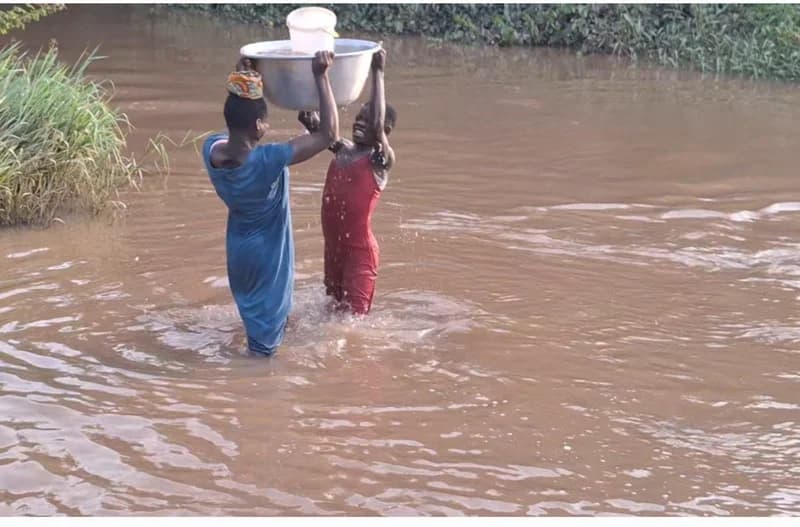
In the farming community of Prusu, located within the Nkoranza South Municipality of the Bono East Region, a deepening water crisis is undermining the health and education of its residents. Despite previous promises of clean water, the community is currently grappling with a severe shortage that has forced many to rely on contaminated sources. The situation highlights a stark contrast between national development goals and the localized reality of neglected infrastructure, leaving hundreds of families vulnerable to preventable illnesses and significant economic hardship.
The daily burden of this crisis falls heavily on children, exemplified by 15-year-old student Faustina Denteh, who must trek over three kilometers every day to fetch water from the Pru River. These long journeys often occur during school hours, leading to significant absenteeism and falling academic standards as children prioritize basic survival over their studies. What was once a community with five functional water sources has seen its infrastructure fall into disrepair. The few boreholes that remain operational are reportedly contaminated with high levels of fluoride, rendering the water unsafe for human consumption and leaving the polluted Pru River as the only alternative for most households.
Beyond the impact on education, the lack of potable water and adequate sanitation facilities has triggered a rise in water-borne diseases across Prusu. This health hazard is compounded by a growing economic strain; families who can afford to do so are forced to divert limited financial resources toward purchasing sachet or bottled water instead of investing in food or school supplies. For many residents, the financial toll of avoiding contaminated water is becoming unsustainable, further impoverishing a community that relies primarily on agriculture.
Community members are now urgently calling on local government leadership and the Nkoranza South Municipality to intervene. Their demands include the immediate repair of dysfunctional boreholes, the treatment of high-fluoride water sources, and the establishment of sustainable sanitation infrastructure. As residents plead for action, the situation in Prusu serves as a critical reminder of the essential link between clean water access and the fundamental rights to health and education for Ghana's rural populations.
