••
Pru East residents demand repairs to 127km of unengineered feeder roads
•2 min read•1 source
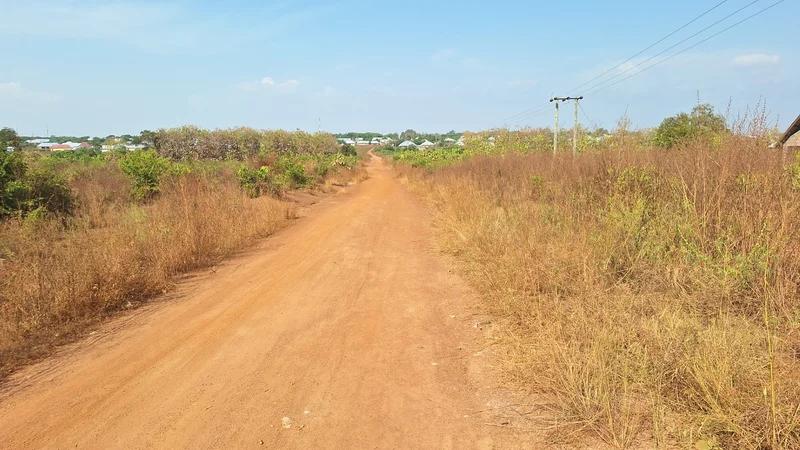
Residents of the Pru East District in the Bono East Region are urgently calling on the government to address the deteriorating state of feeder roads that have left several communities isolated. With the vast majority of the district's road network currently unengineered, transportation between rural villages and the district capital, Yeji, has become nearly impossible for many. The community is seeking immediate intervention to restore connectivity and ensure the safety of commuters who rely on these routes for their daily survival.
The scale of the infrastructure deficit is significant, with official figures indicating that out of a total feeder road network of 157.76 kilometres, only 30.08 kilometres are engineered. This leaves approximately 127 kilometres in a state of severe disrepair, characterized by deep gullies and eroded surfaces. The lack of development has created massive bottlenecks for the local population, who primarily rely on agriculture and fishing. Farmers and fishers report that transporting their produce to markets in Yeji is increasingly difficult, leading to post-harvest losses and reduced income for households.
Beyond economic impacts, the poor road conditions have compromised essential social services. Residents have expressed frustration over the difficulties in accessing healthcare and education, noting that during medical emergencies, the time taken to navigate the pothole-ridden paths to the nearest clinic can be life-threatening. The situation is further exacerbated during the rainy season when many roads become completely impassable, effectively cutting off remote communities from the rest of the district and preventing children from reaching schools.
While the Member of Parliament for Pru East has reportedly made multiple appeals for government intervention, residents state that there has been little tangible action on the ground to date. The community is now demanding a clear timeline for road engineering and maintenance projects to prevent further isolation. Improved infrastructure is seen as the primary catalyst for regional development, as better connectivity would facilitate trade and ensure that basic government services are accessible to all citizens regardless of their location within the district.
