••
Prince Ebenezer Adjei investigates AI performance on Ghanaian brain scans
•2 min read•1 source
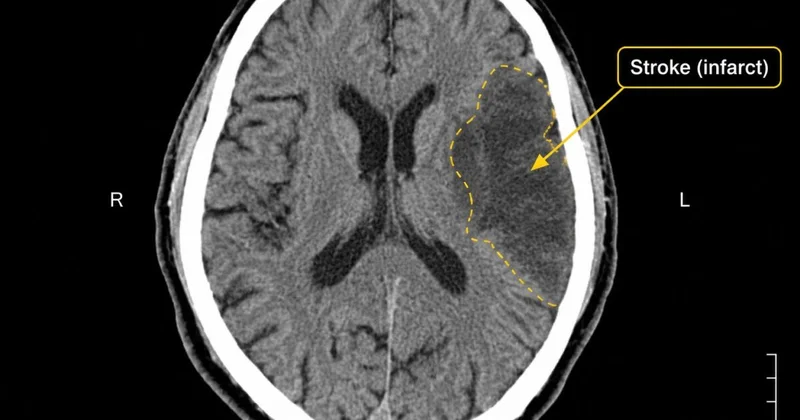
Dr. Prince Ebenezer Adjei, a biomedical engineer from the Kwame Nkrumah University of Science and Technology (KNUST), has launched a research initiative to evaluate the effectiveness of artificial intelligence (AI) in analyzing brain scans of Ghanaian patients. Working in collaboration with researchers at the German Cancer Research Centre (DKFZ), Dr. Adjei is investigating whether AI models trained primarily on Western medical data—specifically from Europe and North America—can accurately interpret medical imaging within the Ghanaian healthcare context. This research is a critical step in addressing potential biases in global health technology and improving diagnostic outcomes for stroke patients in Ghana.
The study utilized approximately 1,600 unlabelled head CT scans sourced from local patients to test the adaptability of these advanced technologies. Dr. Adjei employed a method known as self-supervised learning to refine and enhance medical imaging AI tools. Specifically, the research compared the performance of two prominent models: nnFoundation and the established nnU-Net model. Preliminary findings indicated that the quality of the input data significantly influences the performance of these AI tools. Interestingly, the nnFoundation model did not outperform the nnU-Net model when tasked with identifying stroke-related damage, highlighting the complexities of applying generalized AI models to specific local datasets.
While the research demonstrates that AI has the potential to significantly expedite stroke diagnosis and alleviate the workload of clinicians, Dr. Adjei cautioned against immediate implementation. He emphasized the urgent need for robust local regulatory frameworks and extensive further testing before these tools can be safely deployed in clinical settings. The ongoing collaboration with DKFZ will focus on improving data quality and ensuring that AI-driven healthcare solutions are both reliable and representative of the Ghanaian population, eventually bridging the gap between available technology and local medical needs.