••
Pope Leo XIV condemns historical enslavement of Africans in Peru
•2 min read•1 source
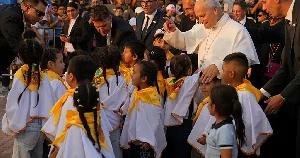
Pope Leo XIV has issued a strong condemnation of the suffering and humiliation endured by enslaved Africans during the colonial era during a landmark visit to the historic Afro-Peruvian city of Zaña. The visit to this significant UNESCO site of memory for the transatlantic slave trade underscored the Church's recognition of the painful history of the African diaspora in South America. The city, which serves as a hub for the Afro-Peruvian community, provided a poignant backdrop for the Pontiff's remarks on human rights.
During his address, the Pope highlighted Zaña's status as a memorial site, acknowledging the systemic injustices and dehumanization that defined the colonial period. He specifically reflected on the resilience of the Afro-Peruvian people who have maintained their cultural identity despite centuries of oppression. This visit marks a significant moment in the Vatican's engagement with the historical legacy of the slave trade in the Americas.
Adding a deeply personal dimension to the event, Pope Leo XIV referenced his own heritage, which includes both enslaved individuals and slave owners. This unique ancestry served as a bridge for his message of reconciliation and historical reflection. By acknowledging the scars left by slavery, the Pope aimed to advocate for the dignity of all individuals and address the moral complexities of the past.
The papal visit is seen as a vital step in addressing the legacy of slavery within the region and the broader global community. As Zaña continues to be recognized as a critical memorial site, the Pope's words are expected to bolster ongoing efforts in human rights advocacy and the preservation of Afro-Peruvian history. The event reinforces the global dialogue surrounding recognition and the moral imperative to honor the memory of those who suffered under colonial rule.