••
Prof. P.L.O. Lumumba Urges African Unity as Ghana Honours Kwame Nkrumah Amidst Concerns Over Neglected Monuments
•2 min read•2 sources
The legacy of Osagyefo Dr. Kwame Nkrumah, Ghana’s first President and a pioneer of Pan-Africanism, took center stage during the recent NkrumahFest celebrations in Nkroful. Marking what would have been his 117th birthday, the event served as a platform for prominent African voices to call for a return to the ideals of continental integration. Prof. P.L.O. Lumumba, delivering a keynote address themed "Nkrumah at 117, celebrating his enduring legacy – Africa must unite or perish," issued a stern reminder to current African leaders that the continent's political divisions and economic struggles, despite its vast natural resources, constitute a betrayal of Nkrumah’s original vision for a sovereign and unified Africa.
During the celebrations in Nkroful, which were attended by Nkrumah’s daughter, Samia Nkrumah, and other dignitaries, a new roundabout featuring a statue of the first President was unveiled. Prof. Lumumba emphasized the ongoing relevance of Nkrumah’s contributions to the founding of the Organisation of African Unity (OAU), now the African Union. He argued that collective action remains the only viable path for the continent to secure its future and protect its sovereignty against external pressures. The event highlighted the deep respect still held for Nkrumah’s intellectual and political contributions to the decolonization of Africa.
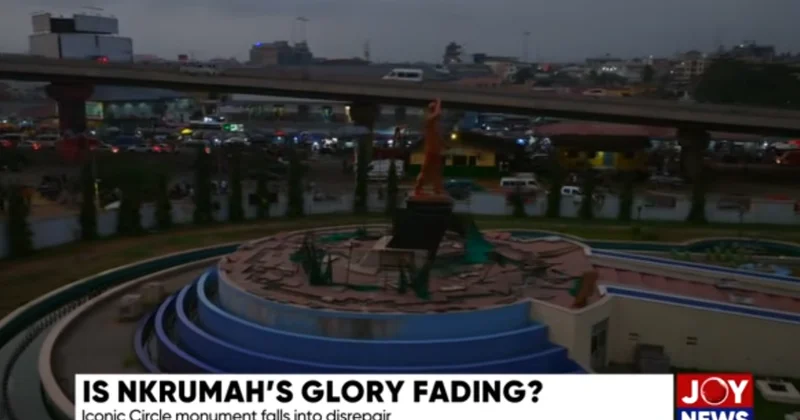
However, this celebratory atmosphere in Nkroful stands in stark contrast to the deteriorating state of Nkrumah’s monuments in the capital city of Accra. Reports indicate that the iconic monument at the Kwame Nkrumah Circle has fallen into significant disrepair. The once-vibrant fountain, which was inaugurated in 2016 with colourful lights and flowing water, has run dry. Visitors to the site have expressed profound disappointment at the sight of broken tiles, accumulated debris, and a general lack of maintenance surrounding the statue that anchors one of Accra’s busiest interchanges.
The neglect of the Circle monument has sparked a broader debate about the preservation of national history and the sincerity of honoring founding figures. While new statues are commissioned in his birthplace, citizens and administrators alike have noted that the decay of existing landmarks suggests a fading commitment to the physical symbols of Nkrumah’s glory. As Ghana continues to reflect on its path since independence, the call from both scholars like Prof. Lumumba and ordinary citizens is clear: honoring Nkrumah requires not just the unveiling of new monuments, but the diligent upkeep of his existing legacy and a renewed commitment to the unity he championed.