••
Mob forces suspected phone thief to carry heavy stones at Circle
•2 min read•1 source
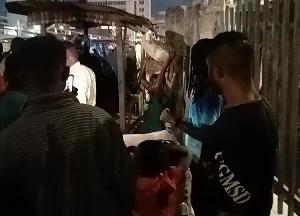
A young man, who identified himself as a painter, was subjected to mob justice on November 7, 2026, at the PTC Bus Stop in Kwame Nkrumah Circle, Accra. The suspect was apprehended by bystanders after he allegedly snatched a mobile phone from a passenger in a commercial vehicle, commonly known as a trotro. The incident occurred during the busy afternoon commute, drawing a large crowd at the transport hub.
Witnesses at the scene reported that the suspect attempted to hide evidence of the theft immediately after the act. He was observed removing and discarding the protective case of the stolen device, a move that alerted onlookers and led to his swift capture. Rather than handing the suspect over to the police, the crowd chose to mete out an immediate form of punishment, compelling him to carry heavy stones as a form of public humiliation and physical penance.
The incident highlights the persistent issue of petty theft in busy transit hubs like Circle, where commuters are frequently targeted by pickpockets and phone snatchers. Despite repeated warnings from law enforcement agencies against the practice of mob justice, members of the public often resort to physical punishment or public shaming as a deterrent. This behavior often stems from a perceived lack of immediate police presence or a desire for instant retribution for crimes that disrupt the daily lives of citizens.
While the suspect pleaded for leniency, claiming his professional background as a painter, the mob remained unmoved. The event serves as a stark reminder of the security challenges faced by passengers in Accra's central business districts and the ongoing tension between community-led justice and the rule of law. Authorities continue to urge citizens to hand over criminal suspects to the Ghana Police Service to ensure that justice is served within the legal framework and to prevent the escalation of violence.