••
General Paul Valentino Phiri Arrested in Malawi and Journalist Moussa Kaka Disappears in Niger Amid Regional Tensions
•2 min read•2 sources
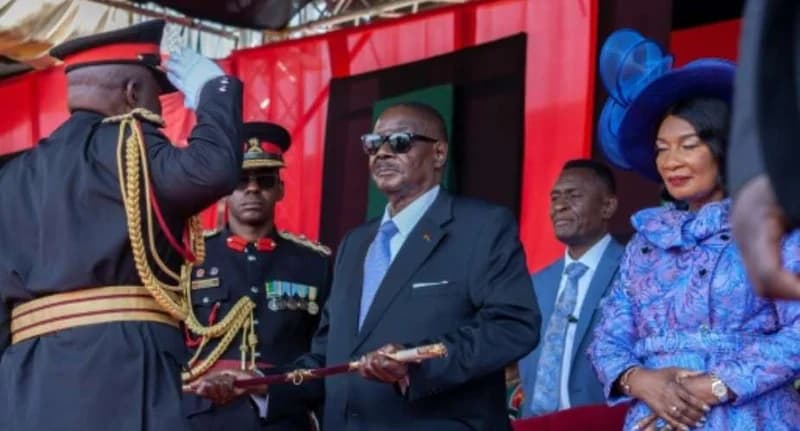
Recent developments in Malawi and Niger have brought issues of military accountability and human rights to the forefront of the African political landscape. In Lilongwe, Malawi’s Anti-Corruption Bureau (ACB) has apprehended former Army Chief General Paul Valentino Phiri on charges related to international arms trafficking and terrorism. Simultaneously, in Niamey, the disappearance of veteran journalist Moussa Kaka has sparked international outcry, signaling a deepening crackdown on press freedom under Niger’s military leadership following the 2023 coup.
General Phiri’s arrest on October 12, 2025, follows an investigation into alleged illegal dealings linked to the ongoing conflict in Sudan. The former military leader faces five counts, including abuse of office and dealing in property associated with terrorism. The ACB’s action is reportedly tied to intelligence reports suggesting Malawian military involvement in supplying weaponry to Sudanese rebels. This case brings international scrutiny to Malawi’s potential role in an arms pipeline that observers have previously linked to external support for paramilitary groups active in the Sudanese civil war.
In West Africa, the case of Moussa Kaka highlights the deteriorating state of civic space in Niger. Kaka, a veteran journalist and former correspondent for Radio France Internationale (RFI), has been missing for over a month, with Reporters Without Borders (RSF) alleging that military authorities are responsible for his disappearance. Rights experts, including Alioune Tine of the Afrikajom think tank, have condemned the situation, stating that there is no justification for the journalist's treatment. Tine warned that the environment for independent journalism has become increasingly perilous since the military seized power, reflecting a broader trend of repression against dissent.
These disparate events underscore the complex intersection of military power, legal oversight, and the struggle for democratic freedoms across the continent. While Malawi is utilizing its legal framework to address high-level corruption and illicit arms flows, the situation in Niger reflects the severe risks faced by the media in nations under military governance. International rights organizations and the United Nations are being urged to intervene and ensure that transparency and the rule of law are upheld as both cases continue to unfold.
