••
Philip Antwi-Agyei urges application of research to improve healthcare
•2 min read•1 source
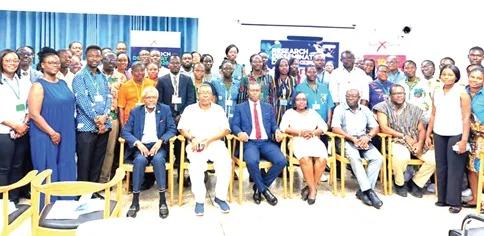
Professor Philip Antwi-Agyei, the Provost of the College of Health Science at the Kwame Nkrumah University of Science and Technology (KNUST), has called for a stronger link between medical research and clinical practice to enhance Ghana's healthcare delivery. Speaking during the second research dissemination day held in Kumasi in 2026, he emphasized that the true value of scientific inquiry is only realized when findings are directly integrated into primary healthcare policies and patient care routines. He argued that research must move beyond academic publications to become a practical tool for medical professionals.
The event focused on the critical theme of bridging the gap between academic research and the operational realities of the healthcare sector. Professor Antwi-Agyei noted that while Ghanaian researchers continue to produce valuable insights, a persistent disconnect often remains between these findings and their application on the front lines of medicine. He stressed that aligning research priorities with the actual needs of the health system is essential for improving patient outcomes and ensuring that medical interventions are evidence-based.
Other stakeholders at the dissemination event provided complementary perspectives on the systemic changes needed to support a research-driven culture. Dr. Fred Adomako-Boateng highlighted the importance of integrating real-time data into clinical practices to make healthcare delivery more responsive and efficient. Additionally, Frederick Ayensu called for enhanced institutional support for health research officers, emphasizing that these professionals are vital for gathering the data necessary to inform high-level policy decisions.
Concluding the session, Dr. Akosua Amoateng reinforced the necessity of viewing research as a transformative tool for both policy and practice. The participants reached a consensus that for Ghana to build a resilient and modern healthcare system, there must be a sustained commitment to funding and implementing research-driven solutions. By prioritizing the application of new knowledge, the speakers suggested that the country can better address both existing health disparities and emerging medical challenges.
