••
Peasant Farmers Association demands 10% of 2027 budget for agriculture
•2 min read•1 source
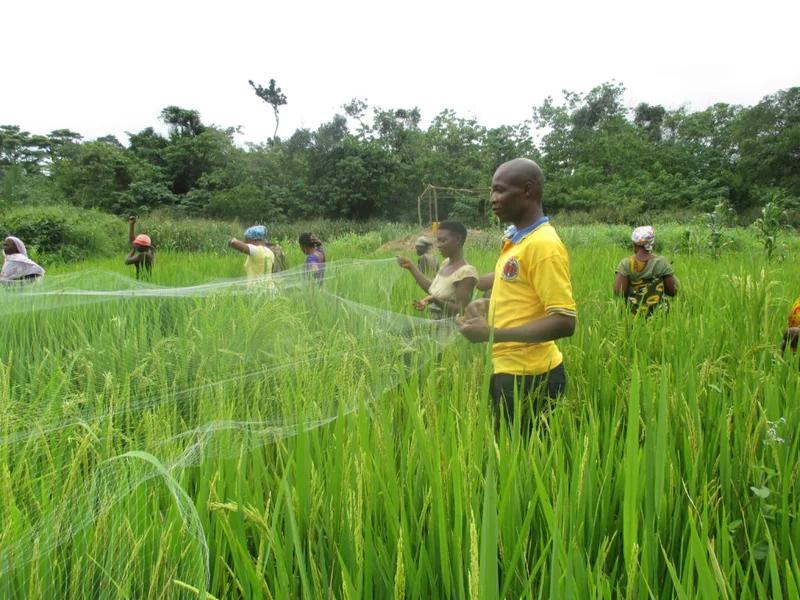
Agricultural stakeholders, led by the Peasant Farmers Association of Ghana (PFAG), are calling on the government to allocate at least 10% of the 2027 national budget to the agricultural sector. The stakeholders argue that despite recent increases in funding, the sector remains significantly underinvested, hindering national efforts toward food security and production growth. This demand reflects a long-standing push to align national spending with regional commitments that prioritize farming as a primary pillar of economic development.
Bismark Nortey, the Executive Director of the PFAG, emphasized that the government has a continuing obligation under the Comprehensive Africa Agriculture Development Programme (CAADP) to meet this 10% target. While the 2026 budget provision saw an increase to GH₵13.9 billion, farmers contend that this amount is still insufficient to overcome deep-seated structural challenges. Stakeholders believe that consistent and timely budgetary allocations are essential to ensuring that agricultural productivity meets the needs of a growing population while lowering costs for consumers.
Specific sub-sectors, including poultry farming, have also highlighted the need for targeted investment in critical infrastructure. Poultry farmers are specifically urging the government to prioritize the construction of storage facilities to help stabilize the supply of grains and reduce the cost of feed production. High feed costs have been a major driver of price increases in the poultry market, and stakeholders argue that better local production supported by reliable market systems would provide much-needed relief to both producers and buyers.
The call for increased funding comes as the government prepares for future fiscal cycles under the administration of President John Mahama. By meeting the 10% threshold, advocates believe Ghana can finally address the infrastructure gaps and technical deficiencies that have historically limited agricultural output. Ensuring that the 2027 budget reflects these priorities is seen as a necessary step toward stabilizing food prices and building a more resilient agricultural value chain for the nation.
Related topic
John Mahama: Latest News & Updates →

