••
Peace Corps Ghana Celebrates 65 Years of U.S.-Ghana Partnership and $50 Million Community Investment
•2 min read•1 source
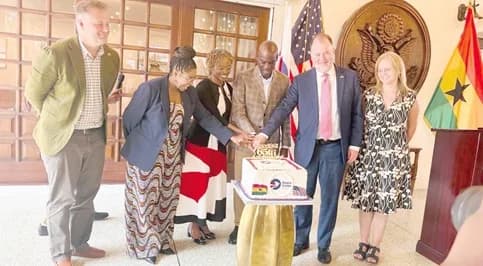
Ghana and the United States have formally commemorated the 65th anniversary of the Peace Corps in Ghana, marking over six decades of diplomatic and grassroots cooperation. Since the program's inception in 1961, nearly 5,000 American volunteers have served across the country, focusing on critical sectors such as education, health, and agriculture. The milestone event, held in Accra, brought together a diverse group of stakeholders, including senior government officials, diplomats, and generations of volunteers to reflect on a partnership that has become a cornerstone of U.S.-Ghanaian relations.
The impact of the Peace Corps is reflected in both human and financial terms, with volunteers having implemented over 100 projects and facilitating an estimated $50 million investment in rural communities. During the anniversary proceedings, Ghana’s Minister of Education lauded the volunteers for their innovative teaching methodologies, which have significantly bolstered the nation’s academic landscape. Similarly, the Deputy Minister of Health emphasized the program's vital role in public health initiatives, noting that the presence of volunteers in remote areas has often provided essential support to the country's healthcare delivery system.
Beyond professional contributions, the program is defined by the deep cultural exchange and personal bonds formed between volunteers and their host communities. Glenda Green, representing Peace Corps Washington, highlighted the indispensable role played by local Ghanaian families and communities who have opened their homes to volunteers over the decades. These deep personal connections often transcend the duration of the service, creating a lifelong network of cultural ambassadors that strengthen the ties between the two nations.
As the Peace Corps enters its next chapter in Ghana, the focus remains on sustainable development and addressing modern challenges through community-led solutions. The celebration served as a reminder that while the geopolitical landscape has shifted since the 1960s, the core mission of promoting world peace and friendship through volunteerism remains highly relevant. With continued government support and local hospitality, the program is poised to continue its legacy of service in Ghana's rural heartlands for years to come.