••
Kenyan families seek closure as 412 Shakahola victims remain unidentified
•2 min read•1 source
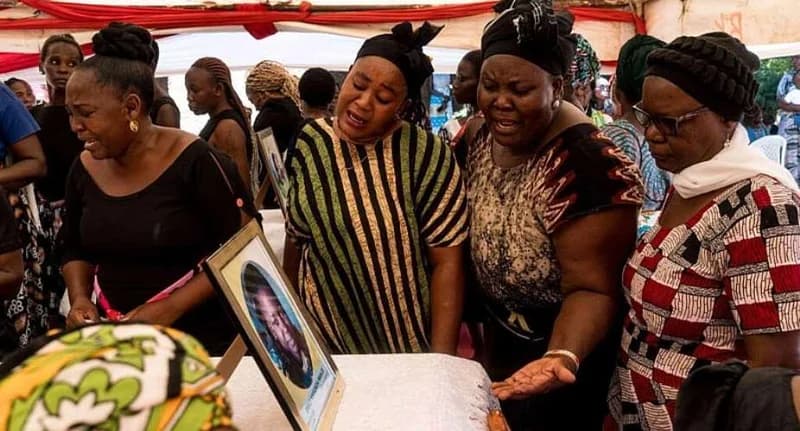
Nearly two years after the discovery of the Shakahola forest massacre, hundreds of Kenyan families remain in a state of agonizing uncertainty. Despite the recovery of 446 bodies linked to Paul Nthenge Mackenzie’s Good News International Church, authorities have positively identified only 34 victims. This massive backlog in forensic identification has hindered the burial of loved ones and delayed closure for grieving relatives, many of whom have traveled across the country to seek answers about missing family members.
The tragedy first came to light in March 2023 after a man reported his missing relatives to the police, leading investigators to a series of shallow graves hidden within the Shakahola forest. The investigation revealed that followers of the Good News International Church were allegedly coerced into starvation to "meet Jesus." Among those affected is Alice Mwajuma Deche, who lost 12 relatives to the cult. While a small number of survivors were rescued during the initial search operations, the vast majority of those who followed Mackenzie into the forest did not survive.
Paul Nthenge Mackenzie now faces an array of serious charges, including murder, terrorism, and child cruelty. He is being tried alongside several accomplices who allegedly enforced the starvation pact within the forest. A Kenyan Senate inquiry has documented the scale of the massacre, highlighting significant lapses in local law enforcement and intelligence that allowed the cult to operate undetected for years. The trials are ongoing, but the slow pace of the legal process has added to the frustration of the victims' families.
The Shakahola massacre has sparked a nationwide debate in Kenya regarding the regulation of religious institutions and the limits of religious freedom. In response to the failures exposed by this case, the government is considering new oversight measures for churches and religious organizations to prevent similar occurrences in the future. As the search for justice continues, the immediate priority for many remains the forensic identification of the remaining 412 bodies, which is necessary for families to provide their relatives with dignified burials and begin the long process of healing.