••
Paul Mackenzie convicted of child cruelty by Mombasa court
•2 min read•1 source
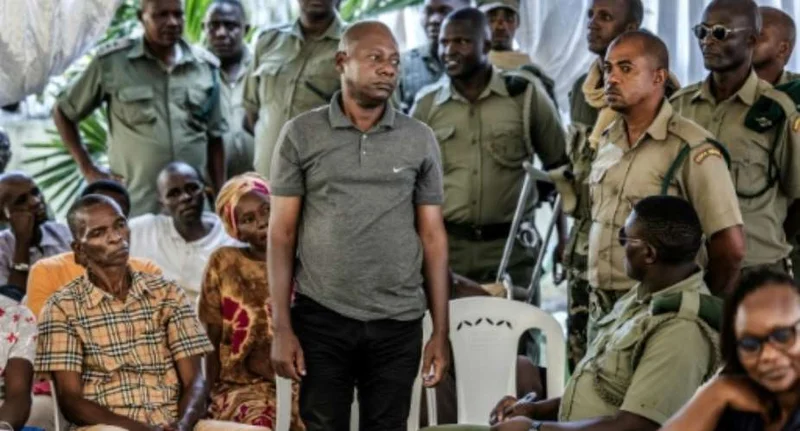
A Kenyan children's court in Mombasa has convicted self-proclaimed preacher Paul Mackenzie of assault and cruelty against children. This latest verdict, delivered on Wednesday, follows the harrowing discovery of hundreds of bodies linked to his starvation cult in the Shakahola forest. Mackenzie, along with eleven of his associates, was found guilty of multiple offenses after the court heard testimonies from thirteen child survivors who managed to escape the group’s influence.
The prosecution’s case relied heavily on the accounts of these young survivors, who detailed the horrific conditions and treatment they endured under Mackenzie's leadership. The court's decision marks another significant legal blow to the cult leader, who has been at the center of one of Kenya's most disturbing criminal investigations. The conviction for child cruelty specifically addresses the targeted abuse of minors within the radicalized community he established in the coastal region.
This conviction comes just one month after Mackenzie was handed a 200-year prison sentence for multiple counts of murder related to the cult's activities. However, his legal battles are far from over. He and several followers are still awaiting verdicts on additional serious charges, including radicalization and manslaughter. The scale of the tragedy at Shakahola, where authorities began exhuming bodies in early 2023, remains a focal point of national grief and legal scrutiny in Kenya as more details of the cult's operations emerge.
The case has ignited widespread calls across Kenya for stricter regulation of religious institutions and self-styled preachers. As the discovery of hundreds of victims in the Shakahola forest shocked the nation, government officials and civil society groups have emphasized the need for legislative oversight to prevent the exploitation and radicalization of vulnerable individuals. The ongoing legal proceedings against Mackenzie serve as a stark reminder of the consequences of unregulated religious extremist activities and the importance of protecting children from such abuses.

