••
Paul Adjei says Free SHS to consume GH‵5.6bn of GETFund revenue by 2027
•2 min read•1 source
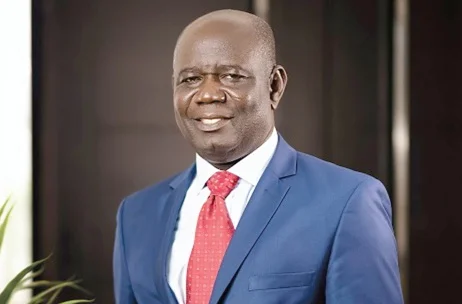
Paul Adjei, the Administrator of the Ghana Education Trust Fund (GETFund), has warned that the escalating costs of the Free Senior High School (SHS) programme risk stalling the expansion of essential educational infrastructure. Speaking before the Committee on Public Administration and State Interest, Adjei revealed that projected expenditures for the Free SHS programme are set to reach GH₵5.6 billion by 2027. This amount represents half of the fund’s total projected revenue of GH₵11.2 billion for that year, raising concerns about the sustainability of facility development.
The Administrator highlighted a growing backlog of stalled educational projects, many of which have remained incomplete for four to six years. Adjei noted that witnessing these abandoned sites has an emotional toll on local communities that are in dire need of increased classroom and dormitory space to accommodate rising student numbers. He assured the committee that GETFund is currently evaluating these unfinished structures to develop a formal completion plan, though the heavy financial commitment to the Free SHS programme limits available capital for new or ongoing works.
Legislators on the committee, including Mavis Kuukua Bissue, voiced frustrations over the impact of these delays on their constituencies, citing instances where political interference has disrupted project continuity. During the deliberations, the committee members agreed on a stricter classification for such projects, resolving that any educational infrastructure project that has remained stalled for more than two years should officially be labeled as abandoned.
As the government continues to prioritize tuition-free access to secondary education, the GETFund management faces a narrowing fiscal space to address the country's infrastructure deficit. The 2027 projections serve as a focal point for debate on how to balance operational funding for student admissions with the physical expansion of schools. The committee's findings underscore a critical need for consistent funding and the depoliticization of educational projects to ensure that school facilities are completed and put to use for Ghanaian students.