••
Parliament reviews bill to mandate 60% Ghanaian stake in medium-scale mining
•2 min read•1 source
Parliament is currently considering a revised Minerals and Mining law that proposes a minimum 60% local ownership requirement for all medium-scale mining ventures in Ghana. This legislative update aims to ensure that Ghanaian investors maintain a majority stake in the sector, while capping foreign participation at a maximum of 40%. The proposal is a key part of a broader government strategy to increase indigenous involvement in the extraction of the country's mineral wealth and ensure more revenue remains within the domestic economy.
Isaac Tandoh, the Chief Executive Officer of the Minerals Commission, detailed the proposal during the China-Ghana Mining Cooperation Conference 2026 in Accra. He emphasized that the legislation is intended to boost local participation while still providing a structured and attractive framework for foreign investment. According to Tandoh, the bill is designed to empower local entrepreneurs to take a lead role in the industry, ensuring that while international partners provide essential capital and technology, the primary ownership benefits accrue to Ghanaians.
To address potential financing gaps for local investors, Presidential Advisor Seth Terkper suggested utilizing the Ghana Stock Exchange as a primary vehicle for domestic resource mobilization. He pointed out that indigenous financing options could provide the necessary capital for Ghanaians to secure their mandated 60% stakes, thereby reducing the industry's reliance on foreign equity and external debt. This approach is intended to democratize access to the mining sector's profitability and encourage a broader base of local shareholders.
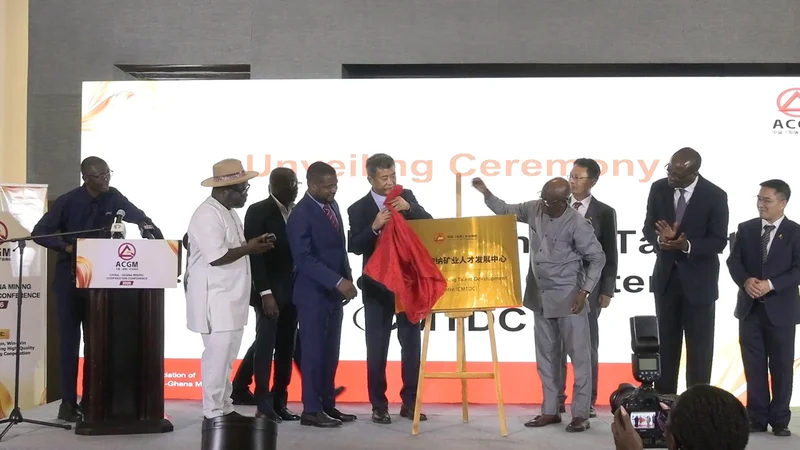
The conference also served as a platform for deeper international cooperation, highlighted by the inauguration of the China-Ghana Mining Talent Development Centre. This new initiative is focused on upgrading the technical skills and professional expertise of the local workforce to meet the evolving demands of the industry. Stakeholders at the event emphasized that technical capacity building is as vital as financial ownership for the long-term sustainability and growth of the mining sector.
As the bill progresses through the parliamentary approval process, it marks a significant shift toward economic sovereignty in Ghana's extractive industries. If passed, the law will provide a clearer regulatory path for local investors to lead in the development of the nation's resources, potentially transforming the landscape of medium-scale mining. The industry now awaits the final version of the legislation, which is expected to balance the drive for local empowerment with the need to maintain a competitive global investment climate.


