••
Pan-African Youth Forum in Accra Demands Debt Cancellation and Systemic Reparations for Economic Sovereignty
•2 min read•2 sources
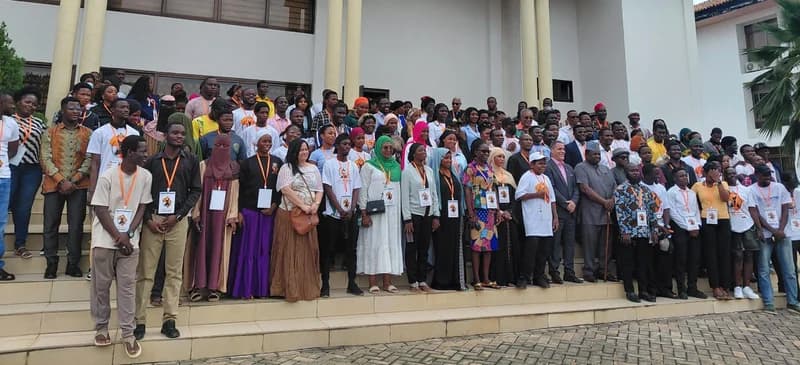
On September 5, 2026, the Pan-African Progressive Front (PPF) convened the International Youth Forum on Debt Cancellation and Reparations in Accra, Ghana. The landmark event brought together a diverse assembly of young leaders, diplomats, and activists to discuss the continent's path toward economic sovereignty. The primary message of the forum was a call to action for Africa's youth, emphasizing that the continent's future depends on the younger generation taking an active and decisive role in dismantling neocolonial legacies and reclaiming Africa’s wealth. Participants linked the historical context of colonialism directly to the current economic challenges facing African nations today.
Addressing the forum, Dr. Abu Sakara Foster urged the younger generation to seize current global shifts as a unique opportunity for total economic emancipation. This sentiment was echoed by several speakers, including the Cuban Ambassador, who argued that true political independence is impossible without absolute control over natural and economic resources. A significant portion of the dialogue focused on the evolving definition of reparations. Speakers asserted that reparative justice must extend far beyond simple financial compensation, calling instead for fundamental systemic changes to address the structural disadvantages that have persisted since the colonial era.
Veteran journalist Kwesi Pratt Jnr. provided a distinctive perspective by challenging the popular "Gen Z revolution" narrative often used to describe modern activism. Pratt argued that the struggles of exploitation and economic oppression are not confined to a single generation but are shared by both the young and the old. He cautioned against framing the movement in purely generational terms, which he suggested could lead to unnecessary division. Instead, he advocated for a unified front across all age groups, emphasizing that the focus should remain on organizing around collective goals to combat shared hardships and achieve economic independence.
The forum concluded with a rallying cry for youth to move beyond high-level rhetoric and engage directly with their local communities. By leveraging various platforms and community discussions, young Africans were encouraged to harness the continent’s vast potential to secure a prosperous and sovereign future. The event also highlighted Ghana’s ongoing leadership in the global reparations debate, referencing international progress such as the UN’s recent resolution supporting reparative justice. Ultimately, the forum established that the proactive involvement of the youth is the indispensable engine required for Africa's development and long-term stability.