••
Palestinians in Egypt face healthcare and education barriers in legal limbo
•2 min read•1 source
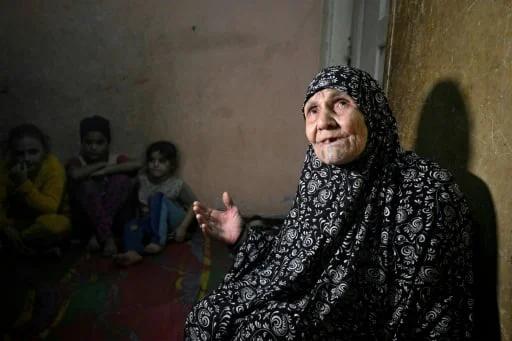
Generations of Palestinian refugees living in Egypt are facing severe challenges accessing essential services such as healthcare and education due to their persistent status as foreigners. Despite being born on Egyptian soil, thousands remain in a state of legal limbo, a situation described by regional experts as an ongoing struggle for identity and rights. This systemic exclusion leaves many families who have resided in the country for decades without the basic protections afforded to citizens, effectively treating them as temporary residents regardless of their historical ties to the land.
Shamma Abu Hussein, a 90-year-old refugee who fled Beersheba during the 1948 Nakba, highlights the deep-seated fears within the community that history is repeating itself amid current regional hostilities. Living within a community of approximately 4,000 Palestinians, she and others navigate significant bureaucratic barriers that restrict their movement and economic participation. This lack of legal standing limits their opportunities for formal employment and creates a cycle of dependency and marginalization that spans generations.
The scale of this crisis has expanded significantly following the recent escalation of conflict in Gaza. While approximately 50,000 Palestinians were living in Egypt prior to the latest hostilities, reports indicate that more than 100,000 additional people have arrived since the fighting began. As regional rhetoric concerning displacement intensifies, both long-term residents and new arrivals remain caught in a precarious position, caught between their historical identity and a host country that provides refuge but withholds the full rights necessary for a normal life.