••
Professor Ebenezer Owusu-Sekyere warns of extremist infiltration at mining sites
•2 min read•1 source
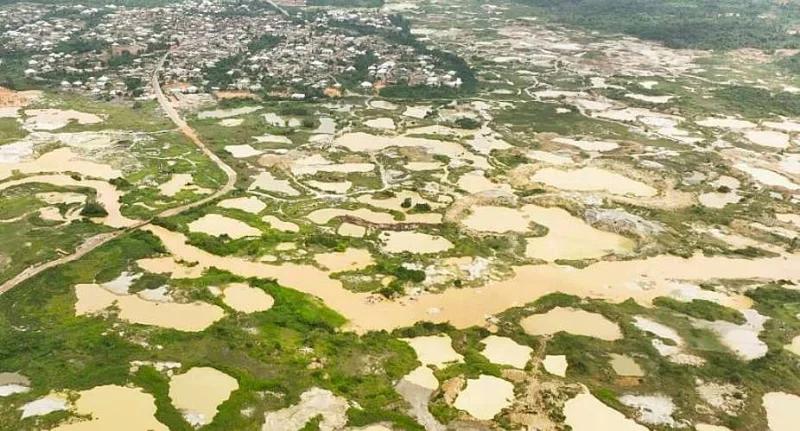
Professor Ebenezer Owusu-Sekyere, a scholar from the University for Development Studies (UDS), has raised an urgent alarm regarding the potential for extremist groups to infiltrate illegal mining sites across the Savannah Region. Speaking on the security implications of "galamsey" in northern Ghana, the professor highlighted that the remote nature of these operations, combined with their proximity to international borders, creates a significant vulnerability that could be exploited by militant actors.
According to Professor Owusu-Sekyere, the influx of foreign nationals who are either directly involved in or funding illegal mining activities is a primary concern. He noted that these individuals often operate in poorly monitored areas near the borders of Burkina Faso, Togo, and Côte d'Ivoire. The lack of oversight in these zones makes them attractive hubs for extremist elements seeking to establish a foothold or finance their operations through illicit resource extraction.
To mitigate these risks, the professor proposed the implementation of real-time tracking systems to monitor individuals present at mining sites. He argued that such technological interventions are necessary to assist security agencies in identifying potential threats before they escalate. By maintaining a database of those working in these remote locations, the state can better safeguard regional stability and prevent the Savannah Region from becoming a transit point for cross-border militancy.
The warning comes at a time of heightened regional concern over the southward expansion of extremist activities from the Sahel. Professor Owusu-Sekyere emphasized that the economic lure of illegal mining should not overshadow national security priorities. He urged the government and security apparatus to treat the monitoring of mining sites as a critical component of Ghana’s broader strategy to protect its northern frontiers from external security shocks.
