••
Government Launches Turnkey Electrification Project to Connect 90 Communities in Oti Region
•2 min read•3 sources
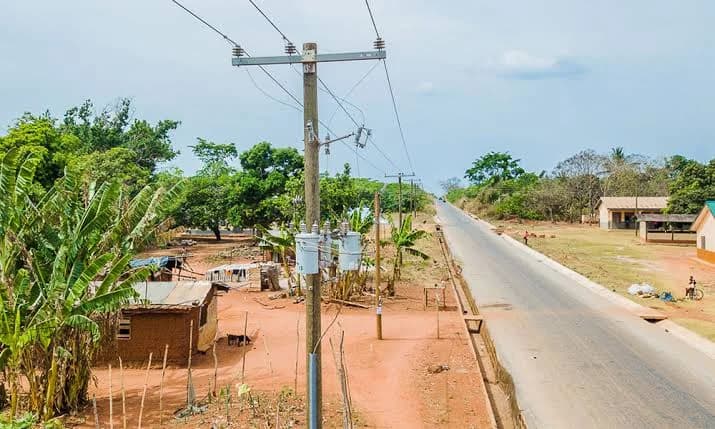
The Ghanaian government has officially launched the Turnkey Electrification Project under the Rural Electricity Acceleration and Urban Intensification Initiative (REIP), targeting 90 communities across the Oti Region. This initiative, which aligns with President John Mahama’s directive to expand rural energy access, aims to bridge the development gap between urban and rural areas. Speaking at the launch, Deputy Minister of Energy Richard Gyan-Mensah emphasized that the project is designed to provide stable power to previously underserved communities while simultaneously reinforcing existing urban grids to improve service reliability and meet the growing demand for electricity.
The rollout in the Oti Region is part of a broader four-year national strategy to extend electricity to all 16 regions of Ghana. For the current phase, the government is prioritizing the Oti, Volta, Savannah, and North East regions to address critical infrastructure deficits. Technical specifications for the project include the installation of 2,000 distribution transformers to stabilize power flow and the deployment of approximately 23,000 solar streetlights to enhance security and visibility on highways and within local communities. Furthermore, the Deputy Minister indicated that the government is exploring mini-grid systems as a viable solution for remote or island communities where connection to the national grid may be technically challenging.
Regional leadership and local stakeholders have hailed the project as a catalyst for economic transformation. Oti Regional Minister John Kwadwo Gyapong noted that reliable electricity is fundamental to the region's socio-economic advancement, particularly in improving service delivery at health facilities and educational institutions. The initiative is being executed in collaboration with the Electricity Company of Ghana (ECG) and the Northern Electricity Distribution Company (NEDCo). Traditional and religious leaders present at the ceremony expressed their gratitude, noting that the introduction of power would stimulate small-scale industries and improve the general quality of life for residents who have long awaited such modern infrastructure.
As the project moves into its implementation phase, government officials have urged local communities to take ownership of the infrastructure by protecting equipment from vandalism and theft. The success of the REIP depends on collaborative efforts between the central government, local assemblies, and the beneficiary communities to ensure the long-term sustainability of the power supply. With the project set to expand across the nation over the next few years, the government remains focused on its goal of achieving near-universal electricity access, thereby fostering an environment conducive to industrialization and poverty reduction across Ghana's rural heartlands.
Related topic
John Mahama: Latest News & Updates →

