••
Emmanuel Osei Sarpong urges investment in local coaches
•2 min read•1 source
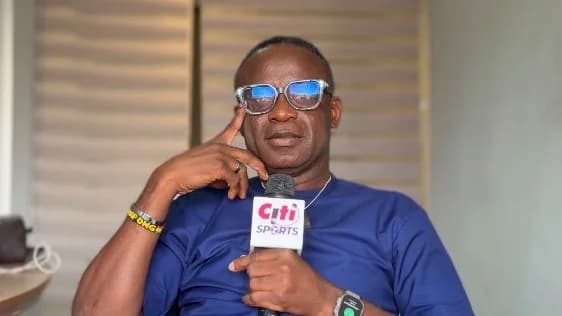
The Acting Director-General of the National Sports Authority (NSA), Prof. Emmanuel Osei Sarpong, has called for a strategic shift in Ghana’s approach to sports management, arguing that the reliance on high-profile foreign coaches will not address the underlying issues facing the sector. Speaking in the wake of recent disappointing performances by various national teams, including the Black Stars, Prof. Sarpong emphasized that sustainable success requires comprehensive long-term planning rather than short-term fixes focused on technical bench appointments. Prof. Sarpong highlighted that the current challenges in Ghanaian sports stem from a lack of investment in athlete development and a fragmented coordination system among sports organizations. He pointed out that while high-profile coaches bring experience, their impact is often limited if the foundation of the sport—ranging from grassroots infrastructure to athlete welfare—is neglected. According to the NSA boss, the focus should transition toward creating an environment where local talent can thrive through consistent support and professional growth. To bridge this gap, the Professor advocated for the establishment of a structured talent development program that prioritizes early identification. He specifically pointed to international success stories, such as France’s National Institute of Sport, Expertise, and Performance (INSEP), as a model Ghana should study and adapt. By investing in the training of local coaches and providing them with the necessary tools, he believes the nation can build a more resilient sports framework that does not depend on expensive external expertise. The call for reform comes at a critical time as stakeholders demand better results from the country’s sporting disciplines. Prof. Sarpong’s vision involves better synergy between the Ministry of Youth and Sports, the NSA, and various sporting federations to ensure resources are channeled into domestic capacity building. By refocusing on local expertise and structured development, he argues, Ghana can reclaim its status as a sporting powerhouse.

