••
Eric Osei Bonsu study finds galamsey metals in Ghanaian vegetables
•2 min read•2 sources
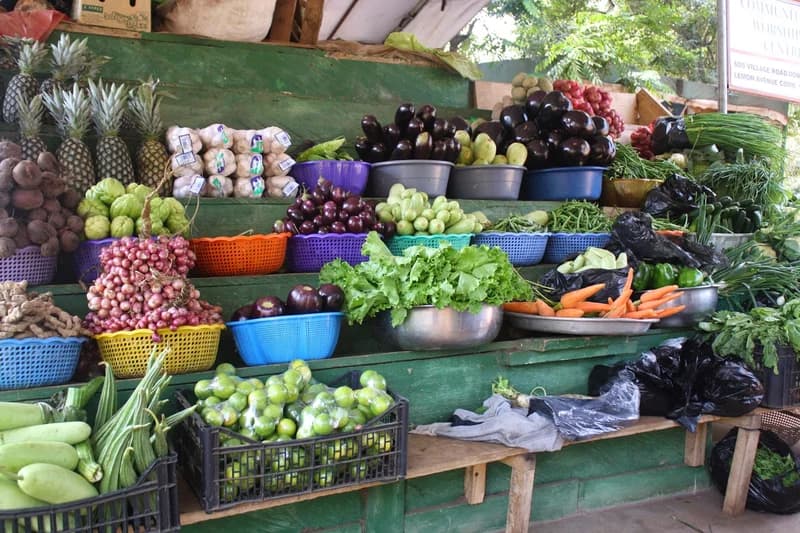
A comprehensive review of 45 scientific studies has revealed that illegal small-scale mining, known as galamsey, is severely contaminating essential vegetables across Ghana's mining districts. The research, led by Mr. Eric Osei Bonsu and a team of collaborators, warns that toxic heavy metals such as lead, cadmium, arsenic, and mercury have infiltrated common crops including tomatoes, peppers, garden eggs, and onions. These contaminants frequently exceed the safety limits established by the World Health Organization (WHO) and the Food and Agriculture Organization (FAO), posing significant long-term health risks to consumers.
The study highlighted that the Ashanti and Western Regions are particularly affected, with alarming levels of heavy metals recorded at various farming sites. Among the pollutants identified, cadmium showed the highest transfer rates from soil to crops, with some locations recording concentrations up to 400 times the permissible WHO limits. In addition to cadmium, researchers found dangerous levels of arsenic and mercury, which are commonly used or unearthed during illegal mining activities. The presence of these metals in everyday staples raises urgent concerns about the safety of the national food supply.
In light of these findings, Mr. Bonsu and his team are calling for immediate interventions, including the establishment of agricultural buffer zones around mining areas to protect food crops from further contamination. They also recommend the implementation of targeted monitoring systems in mining-affected districts and improved post-harvest practices. The review further identified critical gaps in existing data, specifically noting a lack of research into the specific chemical forms of chromium and arsenic present in the food chain, which could affect how these toxins interact with the human body.
The researchers emphasized that food safety must become a central part of the national discourse on galamsey, which has historically focused primarily on water pollution and forest degradation. By highlighting the systemic contamination of the food supply, the study aims to raise awareness among policymakers and the public about the hidden dangers of illegal mining. The findings underscore the need for a more holistic approach to environmental regulation that protects both natural resources and public health across the country.