••
Óscar Puente refuses to resign after 69 die in Spanish rail collision
•2 min read•1 source
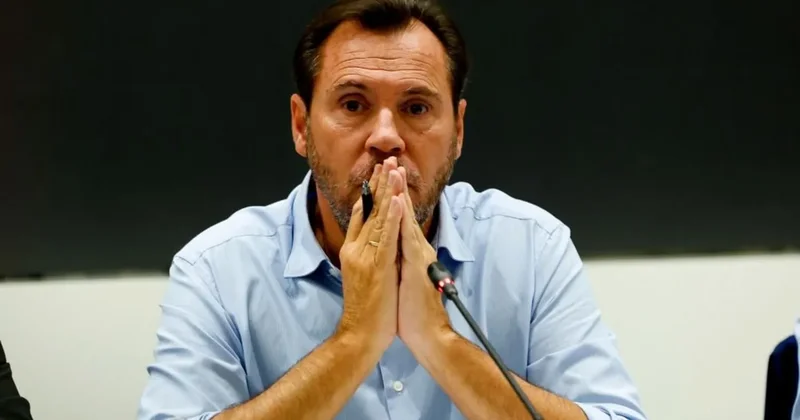
Spain’s Transport Minister, Óscar Puente, has firmly rejected calls to step down following a catastrophic high-speed rail collision that claimed the lives of at least 69 people. Speaking at a press conference in Madrid, Puente addressed the intense pressure he faces from the public and political opponents, stating his priority remains focused on the ongoing investigation and resolving the systemic issues that led to the disaster near Urda. The minister emphasized that he would remain in office to ensure the investigation reaches a definitive conclusion.
The collision occurred when a Renfe train struck a stationary Iryo train, with preliminary reports indicating that the Renfe train was traveling at significant speeds at the time of impact. Investigators are currently scrutinizing leaked audio recordings which suggest that critical miscommunications between rail operators may have played a central role in the accident. The disaster has prompted a nationwide period of mourning as families of the victims continue to seek clarity and accountability for the loss of their loved ones.
Prime Minister Pedro Sánchez has acknowledged the gravity of the situation, noting that public confidence in Spain’s rail network has been severely damaged. This incident follows a similar occurrence earlier this year, compounding fears over safety protocols and infrastructure management within the transport sector. While opposition figures have intensified their demands for Puente’s resignation, citing a failure in oversight, the minister maintains that his departure would not serve the immediate needs of the recovery and investigative process.
As the probe into the Urda disaster continues, the government faces the dual challenge of restoring faith in its transport infrastructure while providing transparent answers to a grieving nation. Minister Puente has pledged to oversee the implementation of necessary safety reforms to prevent a recurrence of such a tragedy. The final outcome of the investigation is expected to determine not only the specific cause of the 69 deaths but also the future of safety management within Spain's high-speed rail operations.