••
Kojo Oppong Nkrumah questions Bank of Ghana inflation control measures
•2 min read•1 source
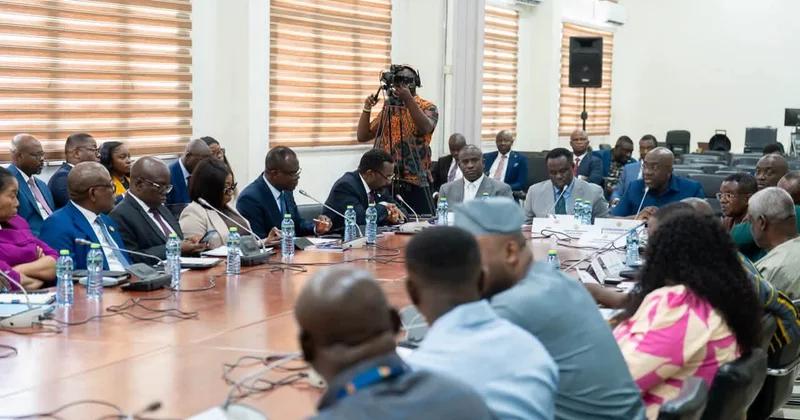
Kojo Oppong Nkrumah, the Ranking Member of the Economy and Development Committee, has challenged the Bank of Ghana (BoG) over its current monetary policy stance, suggesting that the bank's inflation control measures may be overly restrictive. Speaking during discussions with central bank officials, Nkrumah expressed concern that the pursuit of exceptionally low inflation rates might be unintentionally hindering business growth and job creation across the country. He emphasized that inflation targets should primarily serve to foster a conducive environment for economic expansion rather than merely acting as a statistical goal.
The debate follows the release of inflation data for October 2026, which showed the national rate falling to 5.5%. This figure is notably below the central bank’s medium-term target range of 6% to 10%. Nkrumah questioned whether maintaining such tight monetary conditions to keep inflation beneath the target floor is counterproductive to the broader economy. He argued that the focus on price stability must be balanced against the need for liquidity and investment in the private sector.
In response, the Bank of Ghana defended its policy framework, asserting that its forecasts indicate a gradual return to an 8% inflation rate. Officials from the central bank clarified that while monetary policy is effective at managing demand-side issues, it cannot directly resolve supply-side pressures that often drive price fluctuations. The bank maintained that its current stance remains necessary to ensure long-term macroeconomic stability.
Nkrumah also raised concerns regarding regional discrepancies in inflation rates, which often mask the economic reality for many households. He urged the BoG to consider how these variations affect different parts of the country, noting that a declining national average does not always translate to a lower cost of living for everyone. The exchange highlights a growing tension between fiscal oversight and monetary strategy as Ghana navigates its post-recovery economic landscape.
Live rates
Bank of Ghana policy rate →
