••
Akwasi Opong-Fosu and Nii Armah Ashitey Join NDC Chairmanship Race as Parties Pivot Toward 2028 Elections
•3 min read•25 sources
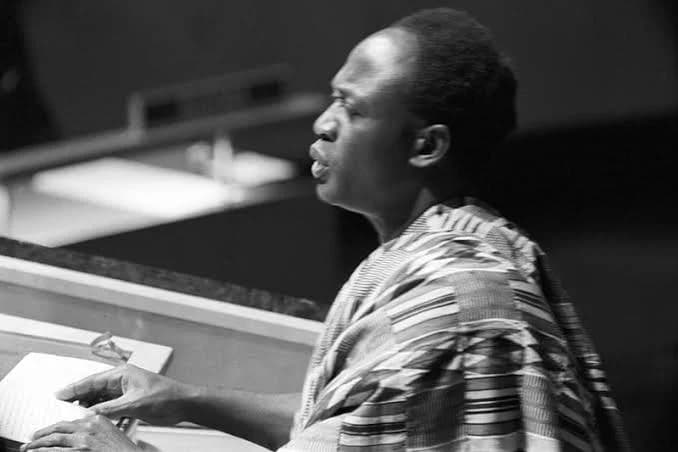
The internal political landscape in Ghana is intensifying as the National Democratic Congress (NDC) and the New Patriotic Party (NPP) begin the critical process of restructuring leadership ahead of the 2028 general elections. A high-profile contest for the NDC National Chairmanship has emerged, with former local government minister Akwasi Opong-Fosu and former employment minister Nii Armah Ashitey both declaring their candidacies. Opong-Fosu, emphasizing a philosophy of "restoration, renewal, and reset," criticized the aggressive nature of Ghanaian politics, asserting that the field should not be a "theatre of war." He joined Nii Armah Ashitey and Edwin Nii Lante Vanderpuye in advocating for a more inclusive party structure that prioritizes grassroots engagement and moves away from combative political culture.
Simultaneously, the NDC is managing a massive wave of interest at the constituency and regional levels. In the Oti Region's Akan Constituency, 63 aspirants have filed for executive roles, while 54 candidates have stepped forward in Akatsi South, indicating robust internal competition. Key themes across these campaigns include the modernization of communication and the establishment of welfare systems for former party officials. Nii Lante Vanderpuye has specifically proposed a dedicated welfare desk at the National Secretariat to support former Members of Parliament and District Chief Executives who often face financial hardship after leaving office. At the regional level, candidates like Abdul Karim Abubakari are vying for the Northern Regional Youth Organiser position, focusing on skills development and education as tools for party mobilization.
On the other side of the political aisle, the NPP is also refining its leadership strategy with a focus on unity and accountability. Eugene Boakye Antwi, an aspirant for the NPP General Secretary position, has set a high bar for leadership by promising to resign if the party fails to win the 2028 election under his watch. Antwi attributed recent electoral setbacks to internal divisions and is campaigning on a platform of direct financial support for constituencies to maintain active engagement. Similarly, Hajia Safia Mohammed, a candidate for National Women’s Organiser, is pledging a women-focused agenda to strengthen the party's grassroots foundations.
Amidst these internal contests, a broader conversation regarding Ghana's national identity has resurfaced through the legacy of Dr. Kwame Nkrumah. During the 81st Session of the United Nations General Assembly and local celebrations of Nkrumah’s 117th birthday, political figures including Matthew Opoku Prempeh have called for a non-partisan appreciation of the founding president’s vision. Prempeh emphasized that Nkrumah’s ideals of African unity and economic sovereignty remain essential blueprints for contemporary governance. As the NDC prepares for its National Delegates Conference in December and constituency elections on October 24-25, 2026, the focus for both major parties remains on reconciling historical values with the organizational demands of a modern democracy.
Related topic
NDC (National Democratic Congress): Latest News →

