••
Naana Jane Opoku-Agyemang announces measures to protect inland fisheries
•2 min read•1 source
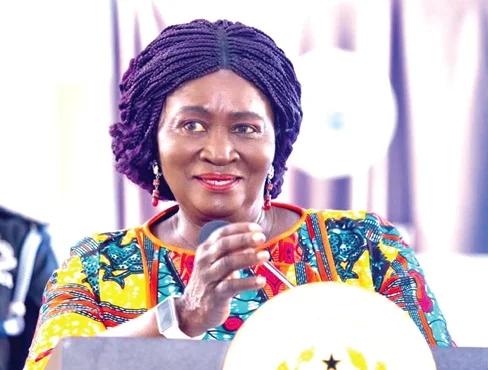
Vice-President Professor Naana Jane Opoku-Agyemang has announced the intensification of government measures aimed at protecting Ghana's inland fisheries from pollution, overfishing, and destructive practices. Speaking at the 2026 National Inland Fisheries Conference in Sunyani, she emphasized that these initiatives are vital to securing fish stocks and enhancing national food security. The Vice-President noted that the government is committed to creating a sustainable environment for the fisheries sector to thrive despite growing environmental pressures. A central pillar of the new strategy involves significant investment in infrastructure to reduce post-harvest losses. Professor Opoku-Agyemang highlighted the urgent need for expanded cold storage and processing facilities across fishing communities. These facilities are expected to help fishers maintain the quality of their catch, thereby increasing their income and reducing waste. She also addressed the detrimental impact of illegal mining on water bodies, identifying it as a major threat to the health of inland fisheries that requires immediate and collaborative intervention. The government's approach also incorporates social reforms within the industry. The Vice-President stressed the importance of enhancing the roles of women in the fish processing and marketing chain, recognizing their central contribution to the sector's economy. Furthermore, she reiterated the government's stance on child safety, calling for the total eradication of hazardous fishing activities involving children. By integrating social welfare with environmental management, the government aims to create a more equitable and safe industry for all participants. The conference concluded with a ceremony honoring 22 individuals, including top fishers and processors from across the country, for their outstanding contributions to the sector. This recognition serves to encourage best practices and community-led conservation efforts. As these new government measures take effect, the focus will remain on balancing resource extraction with long-term ecological health to ensure that Ghana's inland water bodies continue to support the livelihoods of the thousands who depend on them.
