••
Vice President Opoku-Agyemang Opens World Shea Expo as Ghana Scales Agribusiness Partnerships
•3 min read•15 sources
Vice President Professor Jane Naana Opoku-Agyemang has officially opened the 2026 World Shea Expo in Tamale, marking a significant milestone in Ghana’s drive to transform its agricultural sector into a global powerhouse. The three-day event, themed "From Local Commodity to Global Brand: Accelerating Women and Youth-led Value Addition in Shea," has drawn over 7,000 participants, including international buyers and local cooperatives. To support this vision, the government inaugurated the 30-acre 'John Mahama Shea Demonstration Farm' in Futa, Tamale. This facility showcases faster-maturing hybrid shea trees, aimed at boosting production as Ghana seeks to capture a larger share of the global market. During the event, the Vice President emphasized the government's commitment to financing women in the sector through the proposed Women’s Development Bank.
In a parallel move to bolster the cocoa sector, Ghanaian firm Afarinick Company Limited (ACL) has entered into a strategic partnership with Japan’s Meiji Co. Ltd. to develop a sustainable agroforestry cocoa model. Formalized on September 14, 2026, in Accra, the agreement coincides with the 100th anniversary of Meiji Milk Chocolate. The partnership focuses on a circular agroforestry model that utilizes farm plant waste and climate-smart practices to improve efficiency. This collaboration leverages Afarinick’s existing 2,000-acre sustainable cocoa plantation in the Volta Region as a prototype, positioning Ghanaian agricultural expertise on the international stage while addressing global demands for sustainable production.
Furthering the agenda of food security, the Ministry of Food and Agriculture has launched the Ghana Tomato Self-Sufficiency Initiative (GHATSI) in Anloga. Minister Eric Opoku announced a target of producing 100,000 tonnes of tomatoes across 10,000 acres to reduce the country’s heavy reliance on imports. With current local production meeting only 510,000 metric tonnes of the 805,000-tonne annual demand, GHATSI aims to bridge the gap by providing farmers with financial packages, crop insurance, and rehabilitated irrigation facilities. This initiative is expected to generate over 150,000 jobs while addressing the 30% post-harvest loss rate currently affecting the industry.
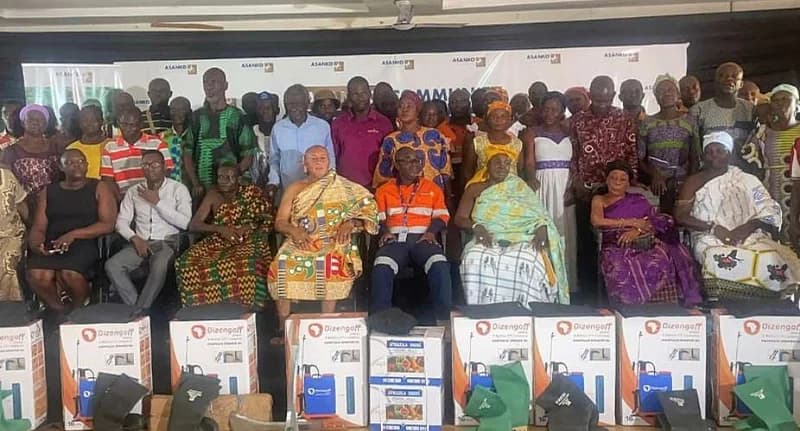
Complementing these national efforts, private sector players like Asanko Gold Ghana Limited are supporting agricultural resilience at the grassroots level. The company recently launched Phase Two of its Community Agricultural Support Program (CASP), providing 80 smallholder farmers from 12 mining communities with technical training and climate-resilient inputs. Collectively, these initiatives—from shea and cocoa to tomatoes—demonstrate a unified national strategy under the Mahama administration to modernize farming, empower rural youth and women, and establish Ghana as a leader in sustainable, value-added agricultural exports.
Related topic
John Mahama: Latest News & Updates →Live rates
Ghana gold price →

