••
Vice President Opoku-Agyemang and Betty Mould Iddrisu Call for African Economic Sovereignty and Financial Reforms
•2 min read•2 sources
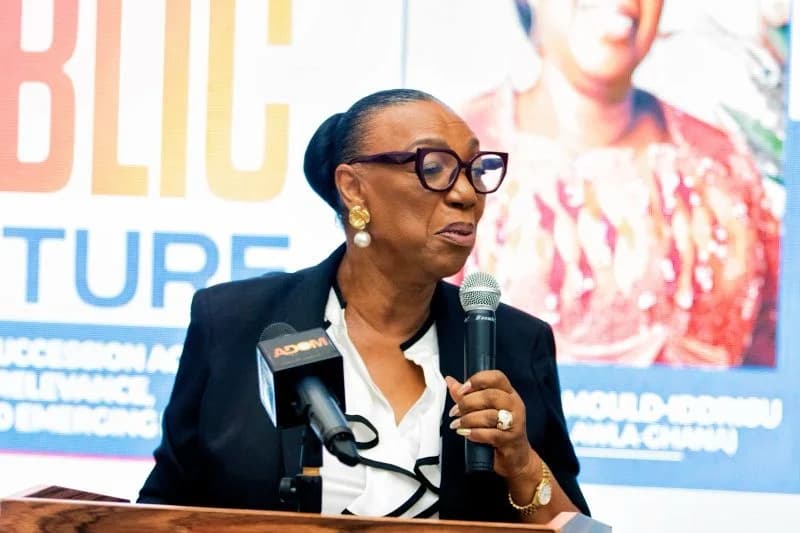
Ghanaian leaders are intensifying calls for a fundamental shift in Africa's development strategy, emphasizing local ownership and financial independence. Vice President Professor Jane Naana Opoku-Agyemang and Council of State member Betty Mould Iddrisu, speaking at separate high-level forums in August 2026, highlighted the urgent need to dismantle bureaucratic barriers and bridge the financing gap that currently hampers the continent’s growth. These calls come as African nations seek to redefine their roles in the global economy through Pan-African collaboration and self-reliance. During the Africa Mindset Reset Forum in Kigali, Rwanda, Vice President Opoku-Agyemang underscored the necessity of Africans taking control of their own narratives. Addressing an audience that included Rwandan President Paul Kagame and former continental leaders, she argued that building local capacity and expertise is the only sustainable way to tackle Africa's unique challenges. She specifically pointed to education as a critical tool for empowering the youth to shape the continent's future, while calling on governments to confront the bureaucratic obstacles that prevent policies from improving the lives of ordinary citizens. Reinforcing this theme from a financial perspective, Council of State member Betty Mould Iddrisu challenged African leaders to address the systemic failures in local business funding. Speaking at the AFLIGA Thought Leadership Series on August 26, 2026, she criticized the paradox where African entrepreneurs often find it easier to secure capital from international sources than from local institutions. Ms. Mould Iddrisu placed particular emphasis on the struggles of women and young entrepreneurs, advocating for innovative financing models and stronger partnerships between governments and the private sector to support Small and Medium-sized Enterprises (SMEs). Both leaders identified trade and regional cooperation as essential pillars for economic transformation. While Opoku-Agyemang focused on the mindset reset required for Pan-Africanism, Mould Iddrisu questioned the persistent barriers that make trading between neighboring African countries unnecessarily difficult. Together, their remarks signal a growing consensus among Ghana's leadership that the path to sustainable prosperity lies in eliminating internal trade hurdles, fostering homegrown investment, and ensuring that the continent's development is driven by its own people and resources.


