••
Naana Jane Opoku-Agyemang backs GNAT cancer care expansion drive
•2 min read•1 source
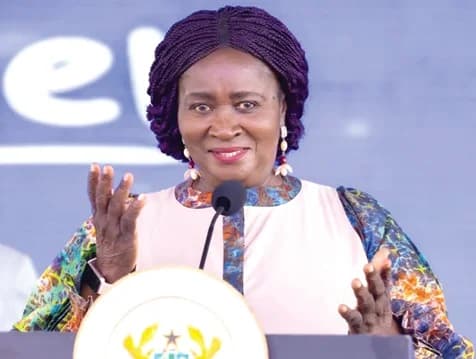
Vice-President Professor Naana Jane Opoku-Agyemang has commended the Ghana National Association of Teachers (GNAT) for its significant investment in cancer diagnostics and treatment. Speaking at the launch of the 2026 Thank You Teacher National Raffle, the Vice-President praised the association's contribution to national health through its involvement with the Sweden Ghana Medical Centre (SGMC). She underscored the critical role of early diagnosis in managing the disease and improving patient outcomes across the country.
GNAT's commitment includes the installation of advanced radiotherapy equipment at the SGMC to enhance the facility's treatment capabilities. The association is also planning to establish satellite diagnostic centers beyond the capital, Accra. These centers are designed to improve accessibility for patients in rural and underserved areas, significantly reducing the travel time and costs often associated with seeking specialized oncology services. SGMC's Chief Executive Officer, Dr. Clement Egyin Edusa, noted that the new equipment will broaden the range of treatment options available to the public.
To sustain these healthcare initiatives, GNAT has launched a national raffle to raise funds for the maintenance of the medical center. Prosper Techie, the President of GNAT, appealed for government support, suggesting that specific budget allocations could help bolster the association's efforts in maintaining high standards of care. The initiative also features strategic collaborations, including a partnership with the MahamaCares Initiative, which provides direct financial and logistics assistance to patients undergoing cancer treatment.
The expansion of these services aligns with broader national efforts to decentralize healthcare and make life-saving treatments more affordable. By leveraging teacher-led investments and public-private partnerships, the project aims to bridge the gap in oncology care delivery. Vice-President Opoku-Agyemang reaffirmed the government's appreciation for such proactive contributions to the health sector, noting that collaborative efforts between organized labor and the state are essential for achieving universal health coverage.

