••
OpenAQ report reveals 56% of African nations lack air monitoring
•2 min read•1 source
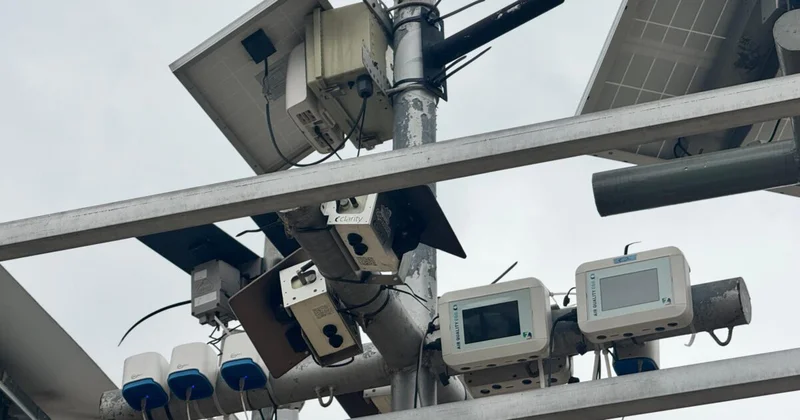
A new report by OpenAQ has found that more than half of Africa’s 54 countries—specifically 56%—do not have government-run systems to monitor air pollution. This lack of infrastructure means that 29 nations across the continent are failing to track air quality levels, leaving millions of people without essential information regarding the health risks posed by pollution. Despite a global trend toward environmental transparency, the report underscores a significant data gap in one of the world's fastest-growing regions.
The OpenAQ assessment, which examined 198 countries globally, highlights that while some progress is being made, the accessibility of data remains a major hurdle in Africa. Out of the entire continent, only five countries—Cabo Verde, The Gambia, South Africa, Kenya, and Nigeria—share their air quality data fully and openly with the public. For the remaining nations, even where some monitoring may exist, the information is often restricted or not shared in real-time, preventing researchers and health advocates from effectively addressing pollution-related illnesses.
This absence of monitoring disproportionately affects low-income communities, which often face the heaviest pollution burdens from industrial activities and urban traffic. Without reliable data, these populations remain unaware of the invisible threats they breathe daily. OpenAQ stresses that the implementation of government monitoring systems is not just an environmental issue but a critical public health priority. The findings serve as a call to action for African governments to invest in monitoring technology and commit to open data sharing to protect citizens and improve long-term health outcomes across the continent.
