••
Ghanaian Religious and Traditional Leaders Drive Institutional Reform, Social Support, and Regional Peace
•3 min read•4 sources
Leadership within Ghana's major religious institutions is pivoting toward structural integrity and internal loyalty to ensure sustainable development. During the sixth Annual Legal Consultation of the Presbyterian Church of Ghana (PCG), the Moderator of the General Assembly, Rt Rev. Dr. Abraham Nana Opare Kwakye, challenged legal advisors to move beyond reporting recurring issues and instead provide concrete solutions that strengthen the church's systems. This call for institutional fortification was mirrored by the General Superintendent of the Assemblies of God, Ghana, Rev. Stephen Yenusom Wengam. Following his re-election with 90% of the vote, Rev. Wengam addressed newly elected Executive Presbytery Officers at a prayer retreat, identifying loyalty as the essential "currency of development" required to advance the church’s transformation agenda ahead of the formal leadership handover on September 18, 2026.
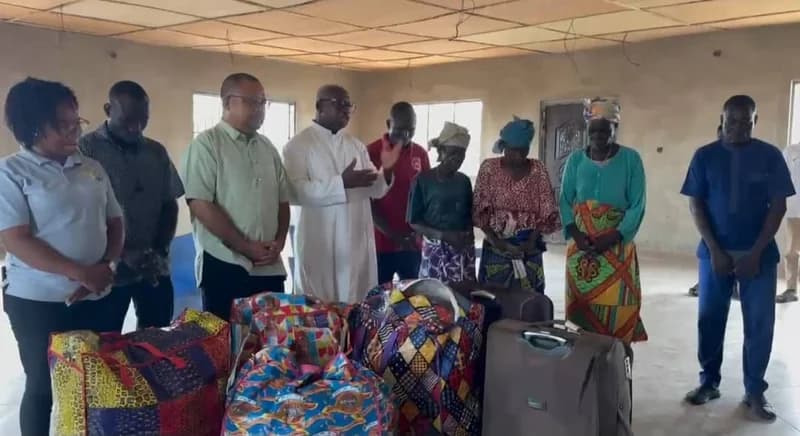
Beyond administrative reforms, religious groups are also intensifying their social interventions for the most vulnerable populations in northern Ghana. On September 12, 2026, the Lay Partners of the Society of the Divine Word Missionaries (SVD) extended critical support to the "Old Ladies Camp" in Gushegu. Rev. Fr. Nicholas Aazine, SVD, presented a donation of food and clothing to women who have been ostracized from their communities due to witchcraft accusations. This philanthropic effort, conducted as part of workshop activities for parish Justice, Peace, and Integrity of Creation (JPIC) representatives, was met with deep gratitude from camp leaders and the SVD District Superior, highlighting the ongoing necessity of humanitarian aid for marginalized elderly women.
Complementing these spiritual and social efforts, a significant breakthrough in traditional governance has occurred in the Volta Region, where the Chiefs of the Kpedze Traditional Area in the Ho West District have ended a 15-year dispute. In a ceremony facilitated by the District Security Council, local leaders—including Togbega Kpekpematsor Atsrimdom V—participated in a "peace-pipe" ritual to restore traditional unity. This reconciliation is regarded as a vital precursor to regional development, as local leaders expressed joy and optimism that the resolution of long-standing tensions would finally allow the Kpedze community to focus on collective advancement and infrastructure growth.
Together, these events reflect a broader trend of Ghanaian institutions—both religious and traditional—seeking to resolve internal conflicts and enhance their service to the public. Whether through the legal strengthening of the PCG, the emphasis on loyalty within the Assemblies of God, or the restoration of peace among Kpedze traditional authorities, the focus remains on building resilient structures. As these leaders implement their respective agendas, the combined impact of institutional reform and social care is expected to foster a more stable and cohesive environment for national development.
