••
National Reconstructive Plastic Surgery and Burns Center Issues Warning on Gas, Electricity, and Hot Water Hazards
•2 min read•1 source
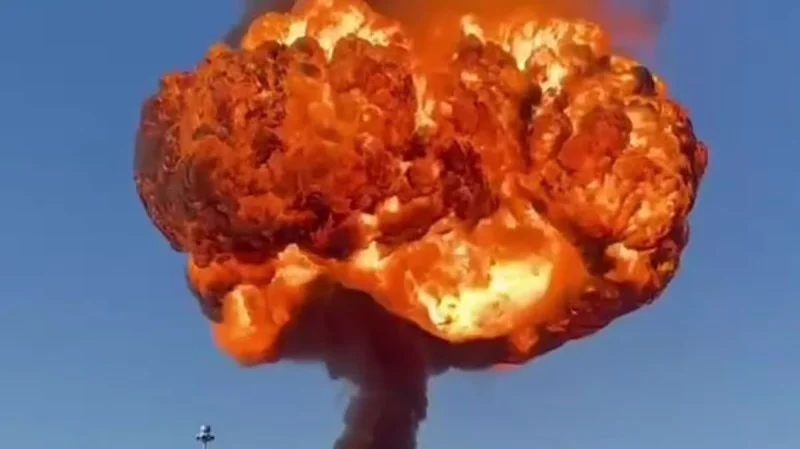
Deputy Chief Nursing Officer Sarfoa Ompong, representing the National Reconstructive Plastic Surgery and Burns Center, has issued a public advisory urging adults and the elderly to exercise heightened caution around gas, electricity, and hot water. Speaking on the GTV Breakfast Show, Ompong highlighted a concerning trend of thermal burns occurring across different age demographics due to common household and occupational activities. The warning aims to raise awareness of preventable injuries that often lead to severe long-term consequences or require complex reconstructive surgery.
According to Ompong, thermal burns are particularly prevalent among individuals aged 20 to 50, often resulting from gas explosions and electrical faults. The data reveals a gendered pattern in these accidents: women are more frequently affected by gas-related explosions, often occurring in domestic settings, while men are more likely to sustain electrical burns. These incidents are frequently the result of mishaps or faulty equipment, emphasizing the need for regular safety checks of gas cylinders and electrical installations to mitigate the risk of sudden, life-altering injuries.
For adults over the age of 50, the risk profile shifts toward scalds and burns caused by hot water. Ompong noted that many elderly individuals suffer severe injuries while bathing or carrying hot water, activities that are complicated by the diminished mobility or slower reaction times associated with aging. These accidents can be particularly devastating for seniors, whose skin may be more fragile and whose recovery processes are often slower. To address this, the nursing officer called on caregivers to remain vigilant and provide necessary assistance to older family members during tasks involving high temperatures.
The National Reconstructive Plastic Surgery and Burns Center continues to advocate for preventive measures as the most effective way to reduce the burden of burn injuries. Beyond individual caution, the advisory underscores the importance of public education regarding the safe handling of flammable materials and electrical systems. By fostering a culture of safety and ensuring that both the young and the elderly are supported in their daily routines, the health authorities hope to see a significant decrease in the number of emergency admissions related to preventable thermal accidents.