••
Nollywood Mourns as Veteran Icon Olu Jacobs is Laid to Rest While Rising Actor CJay Nwoks Passes Away
•2 min read•2 sources
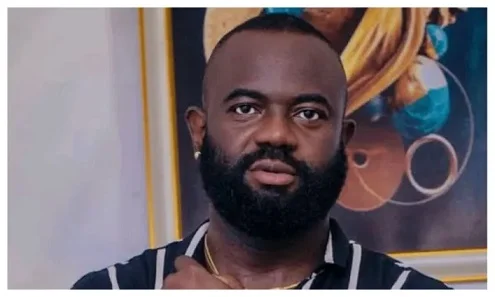
The Nigerian film industry, Nollywood, is currently navigating a season of deep mourning following the final farewell to veteran icon Olu Jacobs and the sudden passing of emerging talent Chijioke Nwokafor, widely known as CJay Nwoks. These events, occurring within weeks of each other, have brought together industry stakeholders, government officials, and fans to honor the legacies of two actors at opposite ends of their respective careers. While one was celebrated for over five decades of excellence, the other leaves behind a narrative of potential cut tragically short at the age of 30.
On Friday, October 20, 2026, a prestigious funeral service was held for Olu Jacobs at This Present House in Lekki Phase 1, Lagos. The ceremony attracted high-profile dignitaries, including Lagos State Deputy Governor Obafemi Hamzat, First Lady Ibijoke Sanwo-Olu, and former Ogun State Governor Ibikunle Amosun. Jacobs, who passed away on September 16 at the age of 84, was remembered as a pillar of African cinema. The service featured a moving musical performance by Dare Art Alade and a presentation of the actor’s biography by his son, Olugbenga Jacobs. Attendees donned various shades of green, adhering to the family's request for a color-themed celebration of a life well-lived, which preceded a private burial.
Amidst the tributes for Jacobs, the industry was further shaken by the death of CJay Nwoks on September 30, 2026. Nwoks passed away at a hospital in the Badore area of Lagos State under circumstances that remain unclear. The news was shared by prominent actress and producer Nkechi Blessing, who revealed that she had recently cast Nwoks as the lead in her latest film project. In a poignant tribute, Blessing indicated that the film would now remain unreleased, underscoring the heavy emotional toll his sudden departure has taken on his colleagues and the production team.
The dual loss highlights the generational breadth of Nollywood’s impact and the fragile nature of the creative journey. As the industry reflects on the monumental contributions of Olu Jacobs—whose work spanned theater, television, and film across international borders—it also grapples with the void left by younger artists like CJay Nwoks. These moments of collective grief serve as a reminder of the cultural weight carried by Nollywood's stars, whose stories continue to resonate with audiences across the continent long after their final curtain call.
